
The British in India, from the 17th century onwards, cheerfully lumped the many and varied styles of cooking, and the subtle differences in dishes they encountered, under the term ‘curry’, a word copied from the Portuguese. Pietro della Valle (died 1652) described as ‘caril’ or ‘carre’ the ‘broths… made with Butter, the Pulp of Indian Nuts… and all sorts of Spices, particularly Cardamons and Ginger… besides herbs, fruits and a thousand other condiments [which are] poured in good quantity upon … boyl’d Rice.’
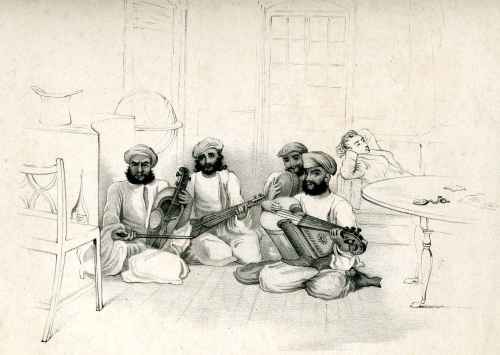
The British in India ate ‘curry’ with every meal, using the term to cover anything in a spicy sauce. No British lady would dream of undertaking her own cooking, so she would have no idea about how the dishes her Indian household served up were made. Eventually curry powder came to be considered a spice in its own right, completely ignoring the infinite varieties and combinations that might be used. Anglo-Indians might think they were immersing themselves in local culture – like the young East India Company employee above, listening to Indian musicians amongst his European furniture – but they seemed to have no appreciation of the subtleties of the cuisine.
As East India Company officials came back to Britain they brought their taste for curry with them and often they brought their Indian cooks with them. These men had learned to create the first Anglo-Indian cookery style to suit their employers and soon curry began to appear in ordinary household cookery books.
One enterprising India entrepreneur, Sake Dean Mahomed [Sidi Deen Mahomet in some sources], opened the first Indian restaurant in Britain in 1810. I discovered it (or, rather, where it had been) when I was researching for Walking Jane Austen’s London. It was located on the corner of George Street and Charles Street, just North of Portman Square, a fashionable area and one that was home to many retired Anglo-Indians. The Hindostanee Coffee House even had a smoking room where patrons could smoke hookahs. Despite serving ‘Indian dishes in the highest perfection… allowed by the greatest epicures to be unequaled to any…ever made in England’ the business became bankrupt the following year. Possibly his choice of location was unfortunate and many of the Anglo-Indians could eat curry at home made by their own Indian cooks or they preferred to combine business with curry by patronising the various City coffee houses that served curry alongside English food. Norris Street Coffee House on Haymarket had been serving curry since 1773 when its ‘Mistress’ advertised in The Public Advertiser ‘true Indian curey paste.’ ‘At the shortest Notice [she would send] ready dressed Curey and Rice, also Indian Pilaws, to any Part of the Town.’ East India Company merchants had created almost a club for themselves at the Jerusalem Coffee House on Cornhill. No specialist Indian restaurant appeared again in Central London until the 1920s.
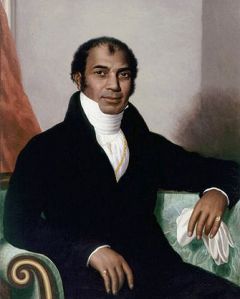
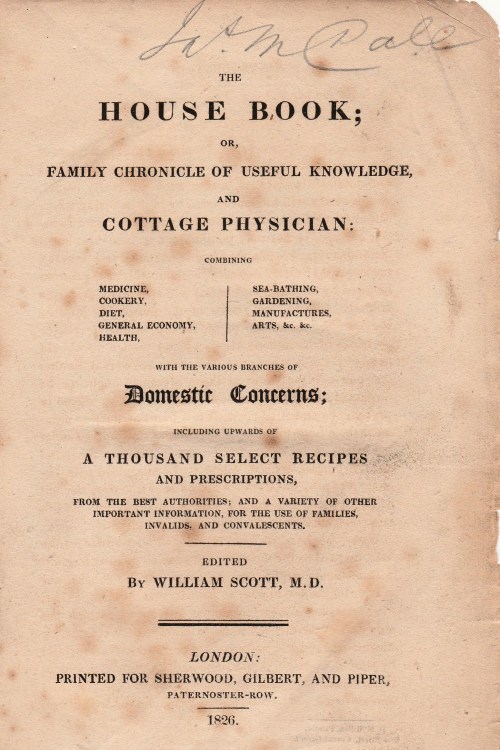
Sake Dean Mahomed (right. Painted by Thomas Mann Baines c.1810) had far more success with his bathing establishment in Brighton. “Mahomed’s Baths. These are ascertained [sic] by a native of India, and combine all the luxuries of oriental bathing. They are adapted either for ladies or gentlemen, and the system is highly salutary in many diseases, independently of the gratification it affords, particularly to those who have resided in the East.” [W. Scott. The House Book or Family Chronicle of Useful Knowledge (1826)] The ‘luxuries of oriental bathing’, I learned when I was researching for The Georgian Seaside, included shampooing – not of the head, but of the whole body in a foaming massage.
The Epicure’s Almanac (1815) has a section on seasonal foods and for July mentions that ‘various preparations of curry afford a delectable repast to those who have acquired a taste for this Indian diet.’ Ready-made curry powder could be bought alongside other spices and was first mentioned in Hannah Glasse’s Art of Cookery (1747).
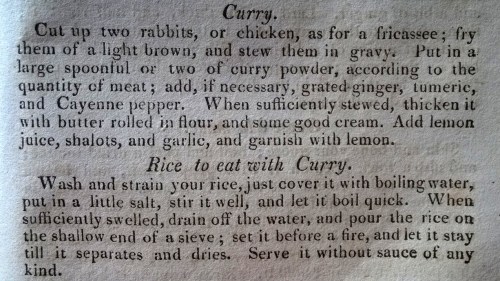
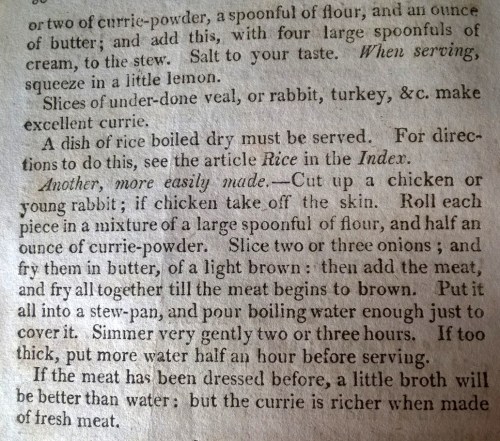
Here is a recipe for curry made with curry powder from The New London Family Cook (1811) by Duncan McDonald, head cook at the Bedford Tavern and Hotel, Covent Garden. The Bedford Tavern and Hotel was a large establishment on the Great Piazza. It opened in 1726 and continued in business throughout most of the 19th century.
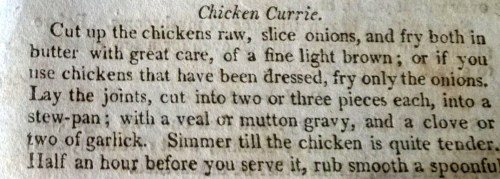
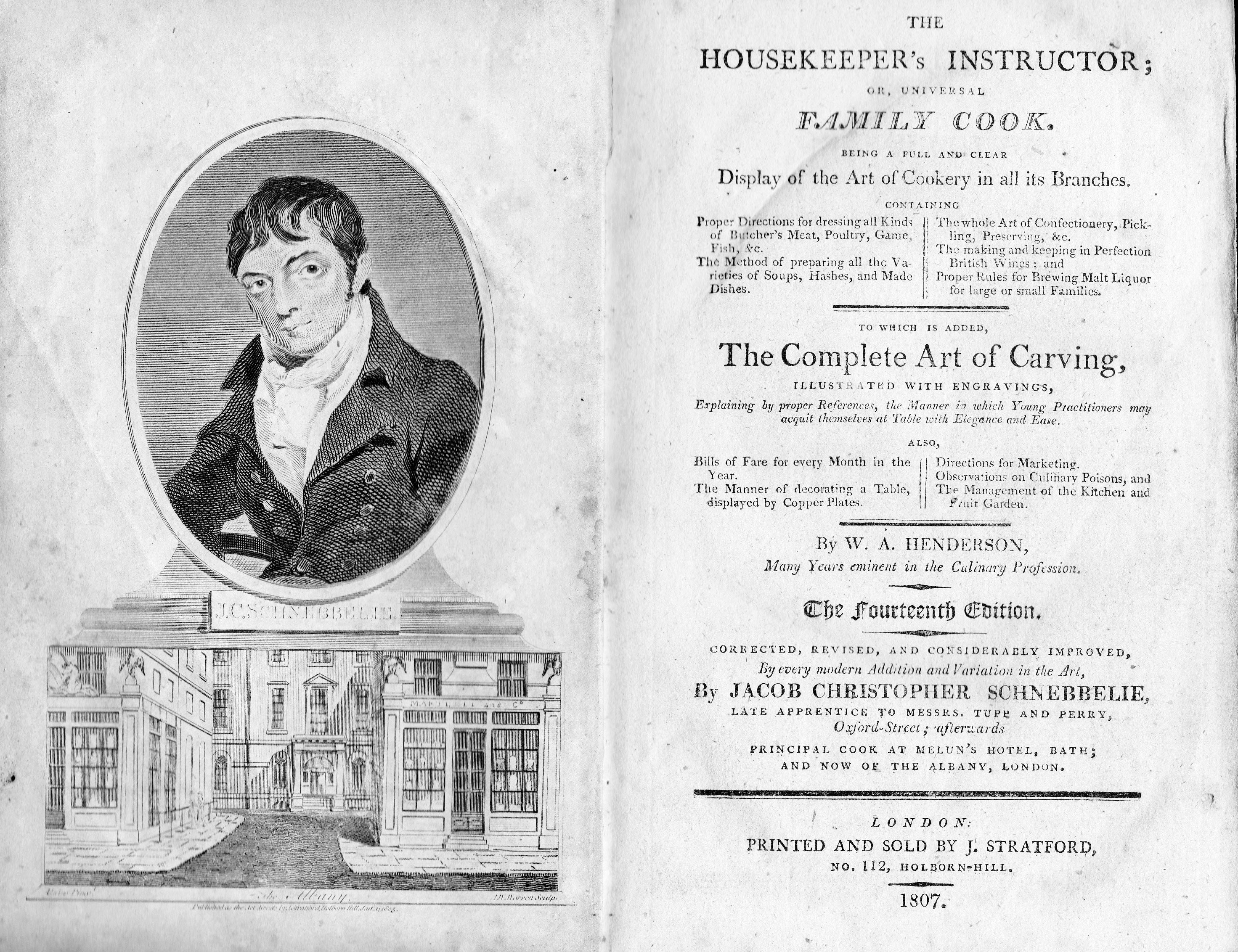
And this is from A New System of Domestic Cookery (1807)
 For a fascinating history of Europe’s love affair with curry, try Lizzie Collingham’s Curry; a biography (2005).
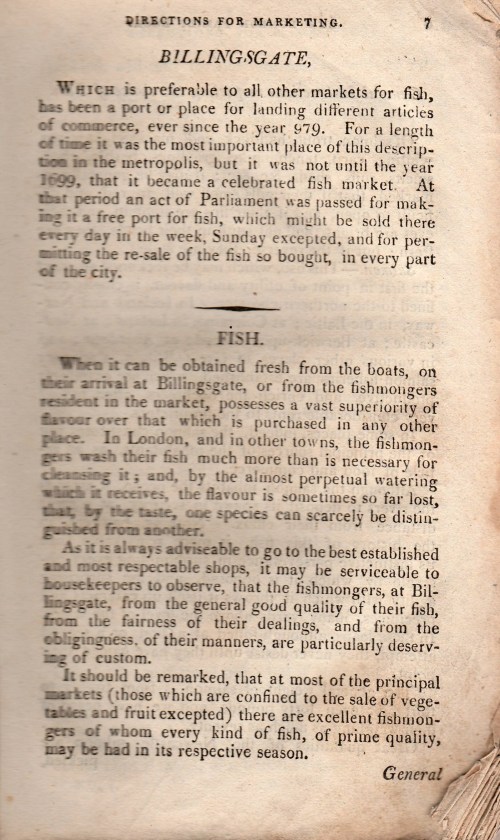
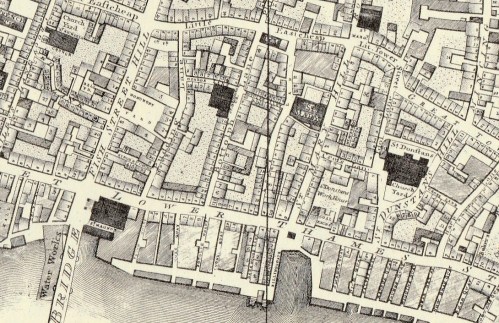
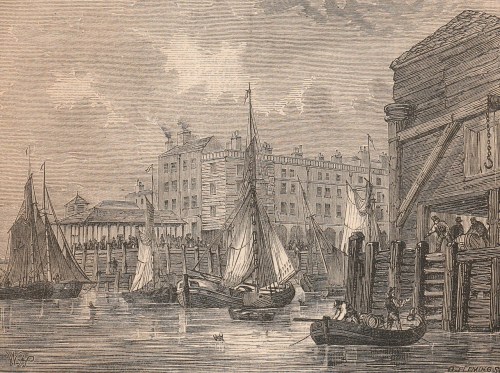 Many of the fish were caught in the Thames and in 1828 a Parliamentary Committee took evidence that in 1798 there were 400 fishermen, each owning a boat and employing one boy, who made a good living between Deptford and London catching roach, plaice, smelts, flounders, shad, eels, dudgeon, dace and dabs. One witness stated that in 1810 3,000 Thames salmon were landed in the season. By the time of the Commission,eighteen years later, the fishery had been destroyed by the massive pollution of the river from water closets and the waste from gas works and factories that went straight into the river.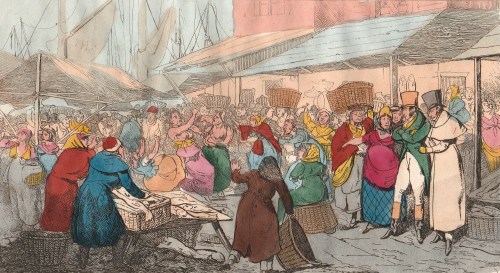
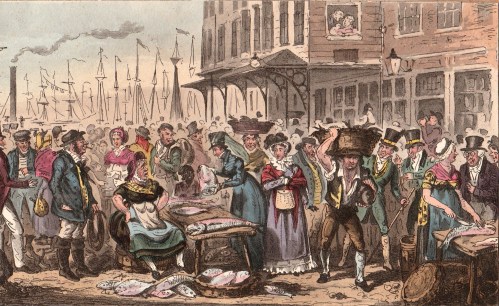
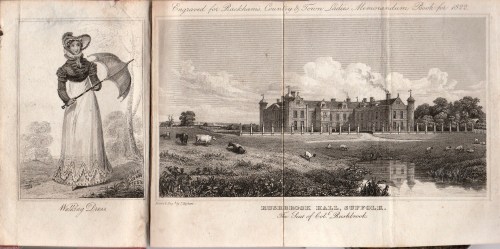
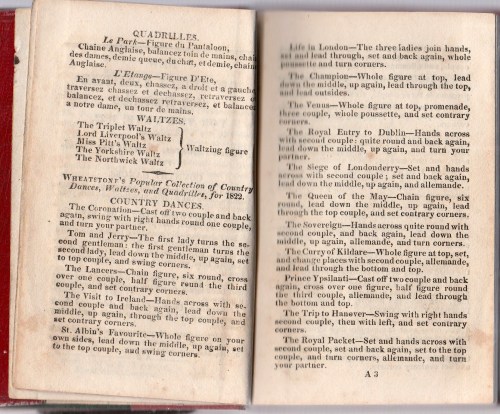
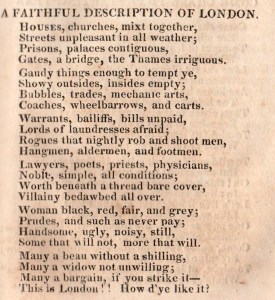
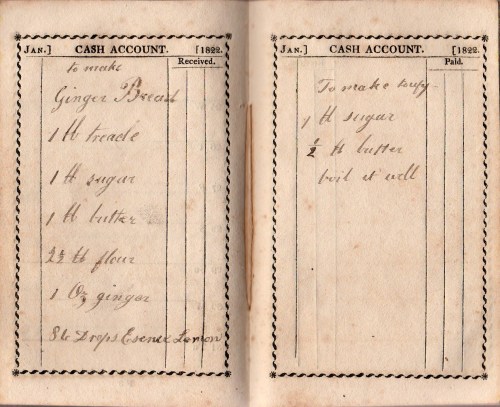
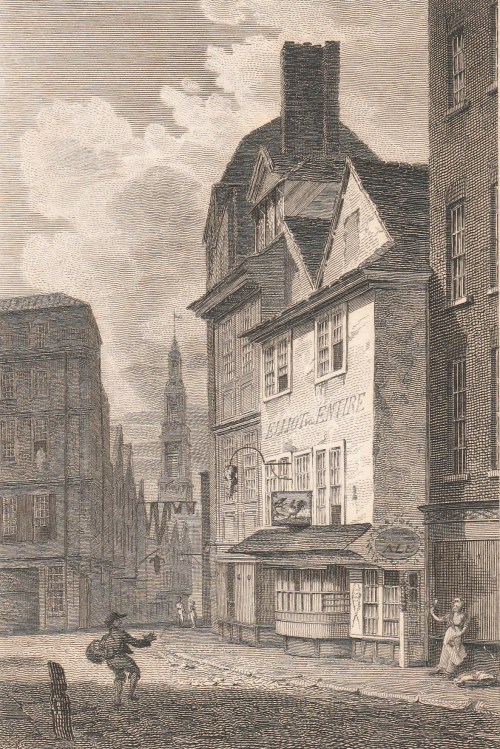
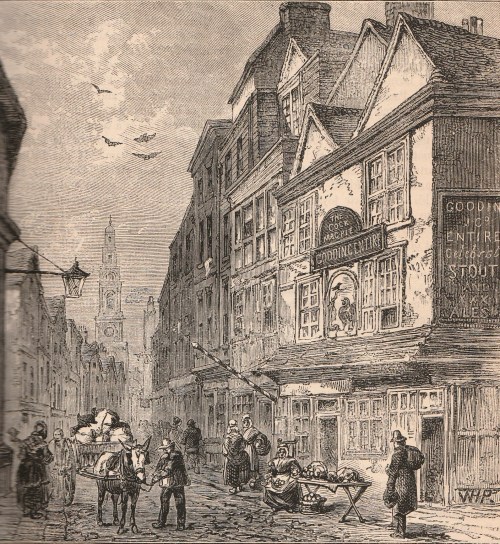
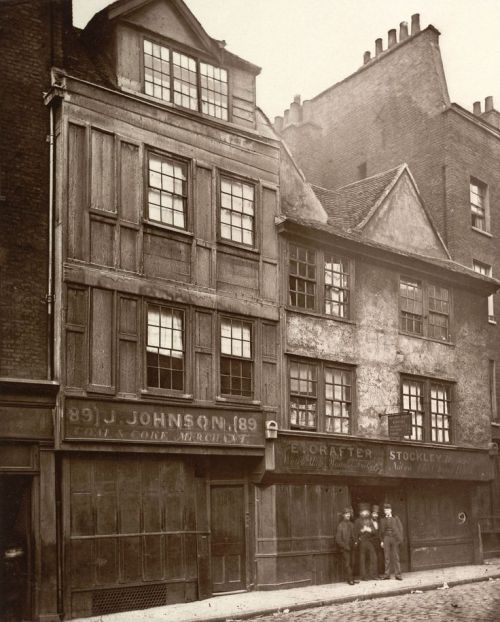
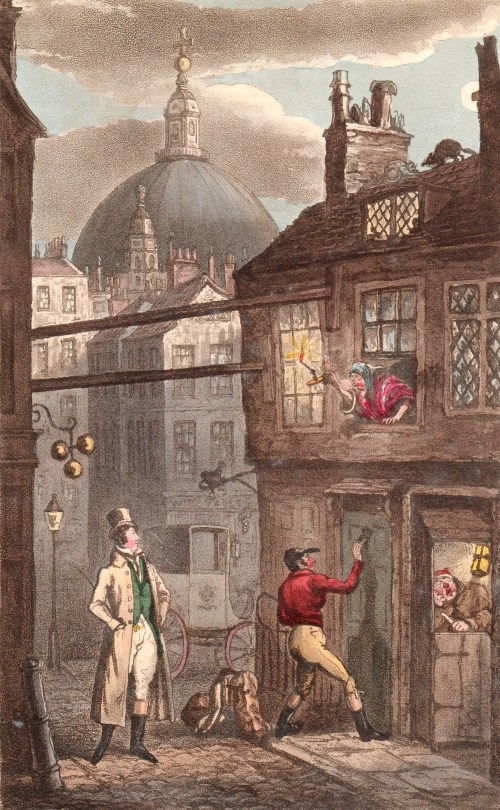 You are slumming it in Regency London – perhaps you’re in cheap lodgings avoiding your creditors, or dodging a furious father armed with a shotgun or your gambling habit has got the better of you and you are seriously out of pocket. You have found your cheap lodgings – a miserable, unheated room that you share with bedbugs, fleas, mice and the other inhabitants of your straw pallet – now you need to find something to eat. [The print above is of Logic’s lodgings in one of the Tom & Jerry tales by Pierce Egan. Note the dome of St Paul’s behind and the pawnbroker’s shop with its three gold balls on the left.]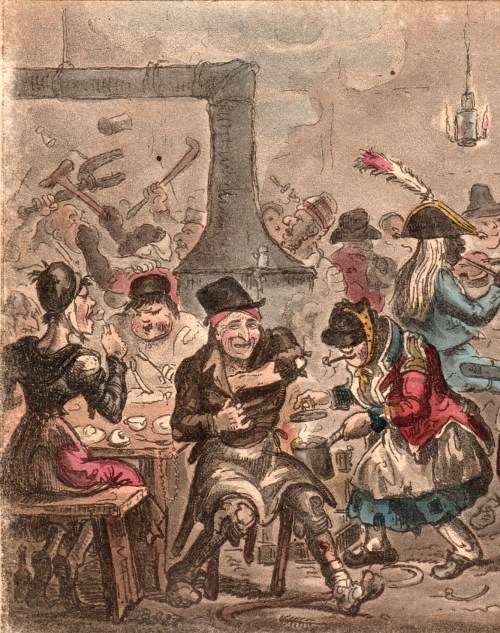
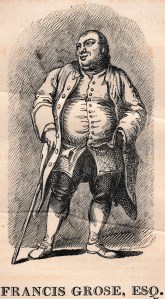 Francis Grose toured the back-slums and the rookeries of London in the 1780s collecting cant and slang terms for his Dictionary of the Vulgar Tongue, assisted (or possibly supported) by his servant Batch. Judging by his portrait Grose had sampled plenty of naked boys, aldermen and Bloody Jemmys himself. He inspired a number of imitators (and downright plagiarists) but all these late Georgian slang dictionaries are arranged in alphabetical order of the terms defined.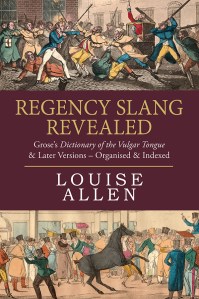

 ales – where the water temperature never rises above 20˚C. They have been a rare treat since at least Tudor times – Henry VIII used to have barrels of them sent to his palaces – but I have never tried one so I don’t know whether this is a case of rarity making something particularly desirable or whether they really are different and delicious. Apparently the flesh is delicate and pink-tinged. Perhaps a Lake District reader can tell me what they taste like!

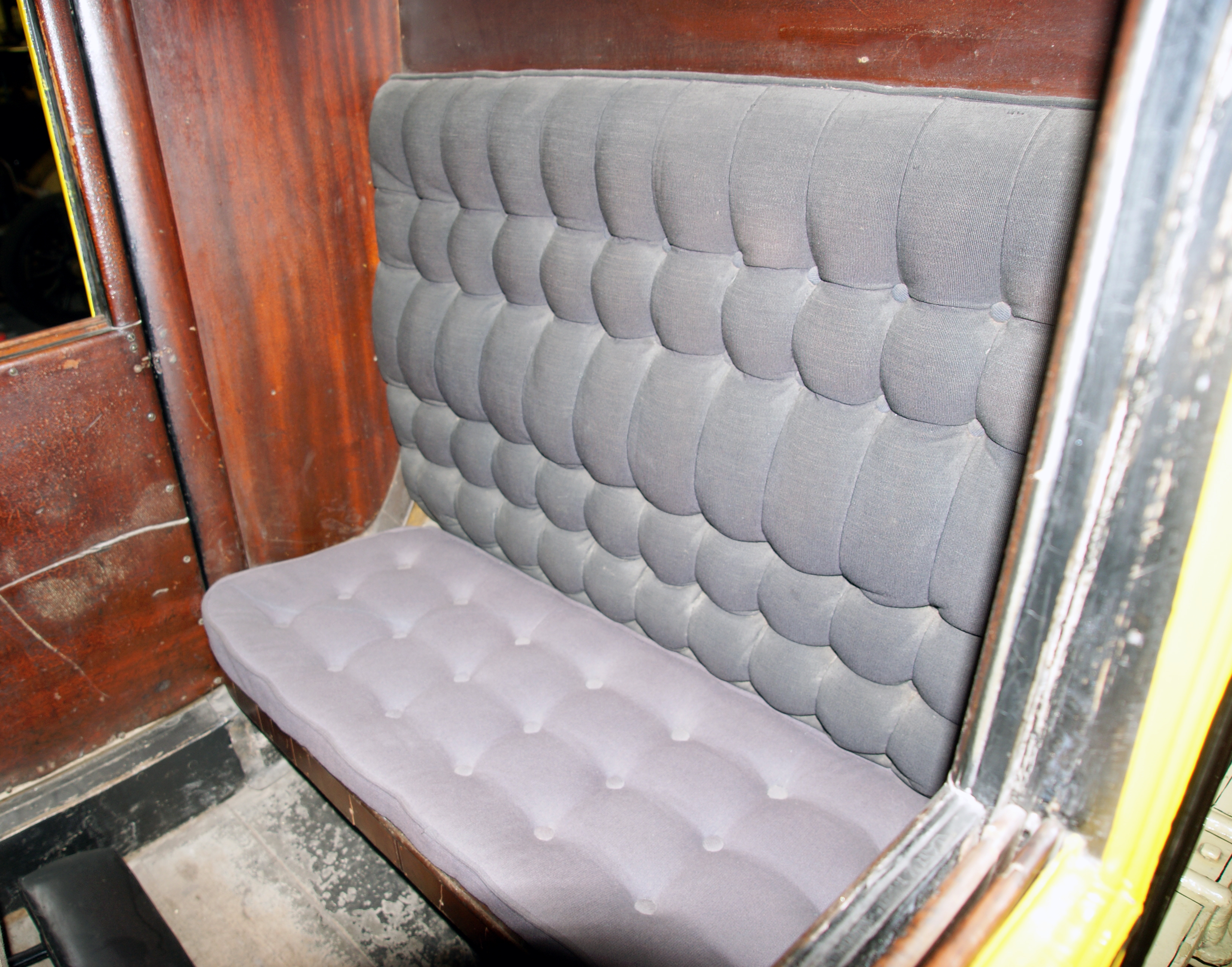
 stagecoaches appeared in the mid-17th century – and wise passengers made their will before setting out as well as allowing considerable time – the 182 miles from London to Chester took six days in 1657 (if the weather was kind). But at least in those days speed was not going to kill you and the coach would stop overnight so you had a chance of a meal at your leisure and a night’s sleep. (Prudent travellers would bring their own bed linen). If you were very hard up and could not afford the £1 15s for the London-Chester route you could perch on the roof (no seats or handrail) or ride in the basket with the luggage. To be ‘in the basket’ became slang for being hard-up. Passengers riding this way can be seen in this print of the quite fabulous sign (below) for the White Hart, Scole, Norfolk. The sign really was this ornate and was unfortunately demolished as a traffic hazard in the 19th century. The inn is still operating.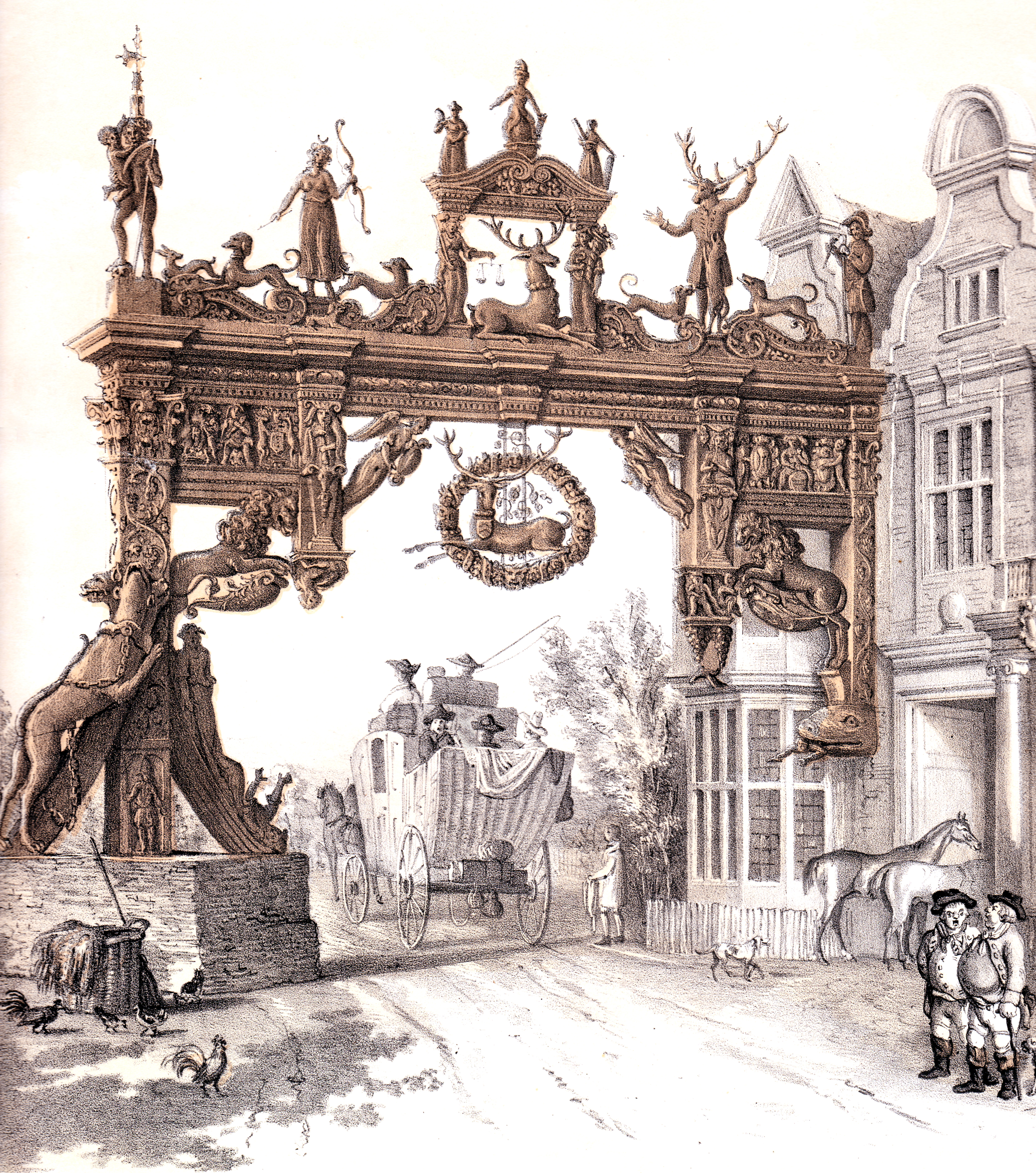
 Jane Austen's London