Category Archives: Napoleon

The Road to Waterloo Week One – The Emperor Escapes

1 Sunday 26th February – Saturday 4th March 1815

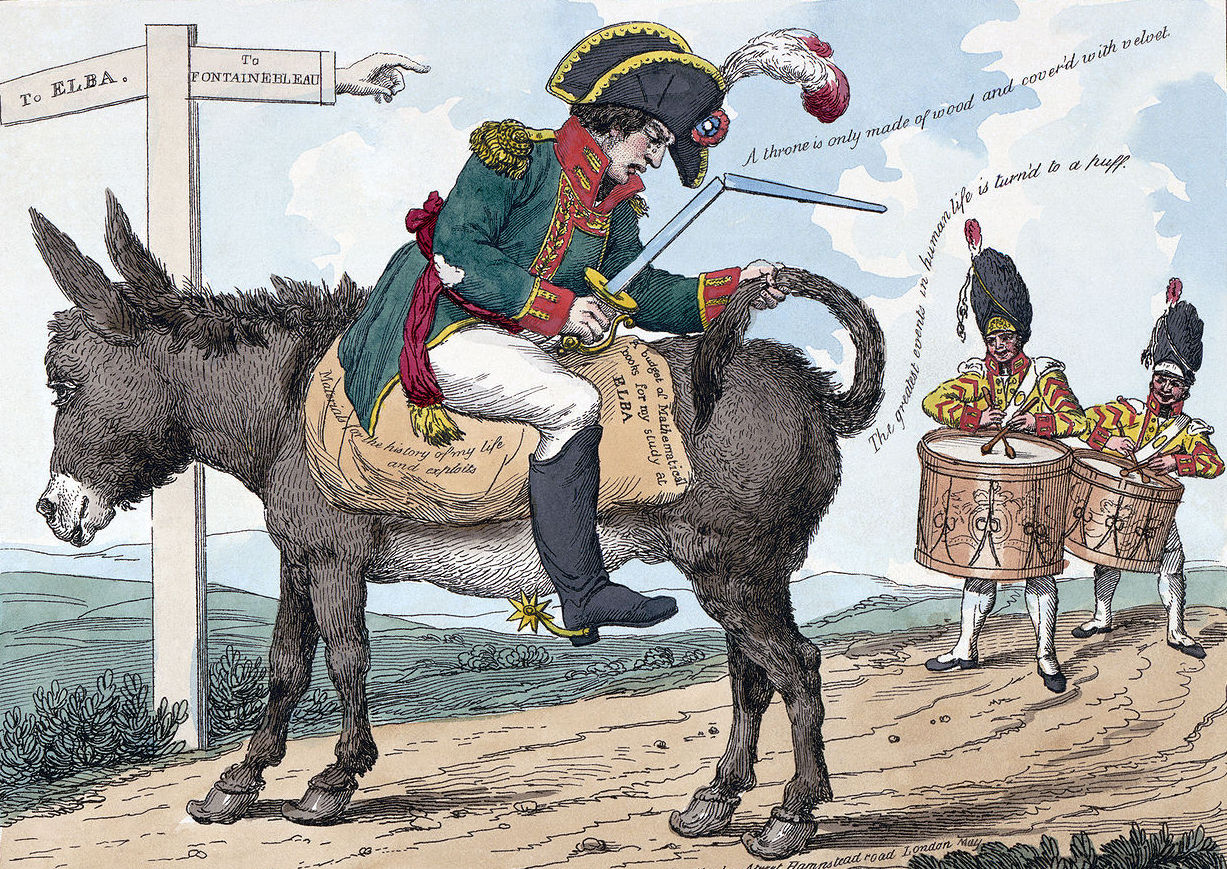
Two hundred years ago today the King of Elba – Napoleon Bonaparte – was putting the final touches to his audacious plan to escape from his tiny island kingdom and take back his empire. He knew his position was increasingly insecure – at best he faced an impoverished exile, for he knew King Louis was unlikely to keep paying his pension. At worst he feared assassination or imprisonment. The print below is a detail of one published by Phillips in 1814 showing Napoleon on his way to Elba.
At the Congress in Vienna the great powers negotiated over the future of Europe while in London people argued aboElbaut the falling price of wheat, worried over the problem of unemployed ex-soldiers – many of them seriously disabled – begging on the streets and enjoyed some of the fruits of peace such as cheap bread for the poor, continental tourism for the rich.
I was intrigued to discover just what Londoners knew about the crisis on the continent as it unfolded and how they were spending their time when they did know that the “Corsican Monster” was on the loose again, so in addition to my usual blogs about life in Georgian London I will be posting a weekly account every Thursday of London life in the shadow of war and the countdown to the Battle of Waterloo.
On Elba that Sunday morning the weather was fine and calm. Rumours were rife on the island that Napoleon was escaping, although they did not appear to have reached the naval ships who were, rather casually, keeping an eye on him. Napoleon gave his morning levée dressed with great care in the coat of a grenadier officer in the Guards and wearing the Légion d’Honneur. He spent the day in last-minute preparations and paperwork and finally, after nightfall, accompanied his suite down to the harbour, to board the brig Inconstant along with the grenadiers of the Guard and his suite – about five hundred people in all. Other troops – Polish lancers, gunners and so forth, were loaded into the Saint Esprit, a merchant ship and the Caroline, a small flat-bottomed ship that could be run up on to a beach. In total there were about 1,100 men, four cannon, and forty horses. A cannon fired and, on a dangerously light breeze, Napoleon was carried slowly away from Elba.
Meanwhile, in London, divine service was held at Carlton House by the ReverendPanoramas Blomberg and Clerke and the newspapers were speculating that another row of properties were to be purchased by the Prince Regent in Brighton to allow for the expansion of the Pavilion. The likely cost was commented upon – unfavourably.
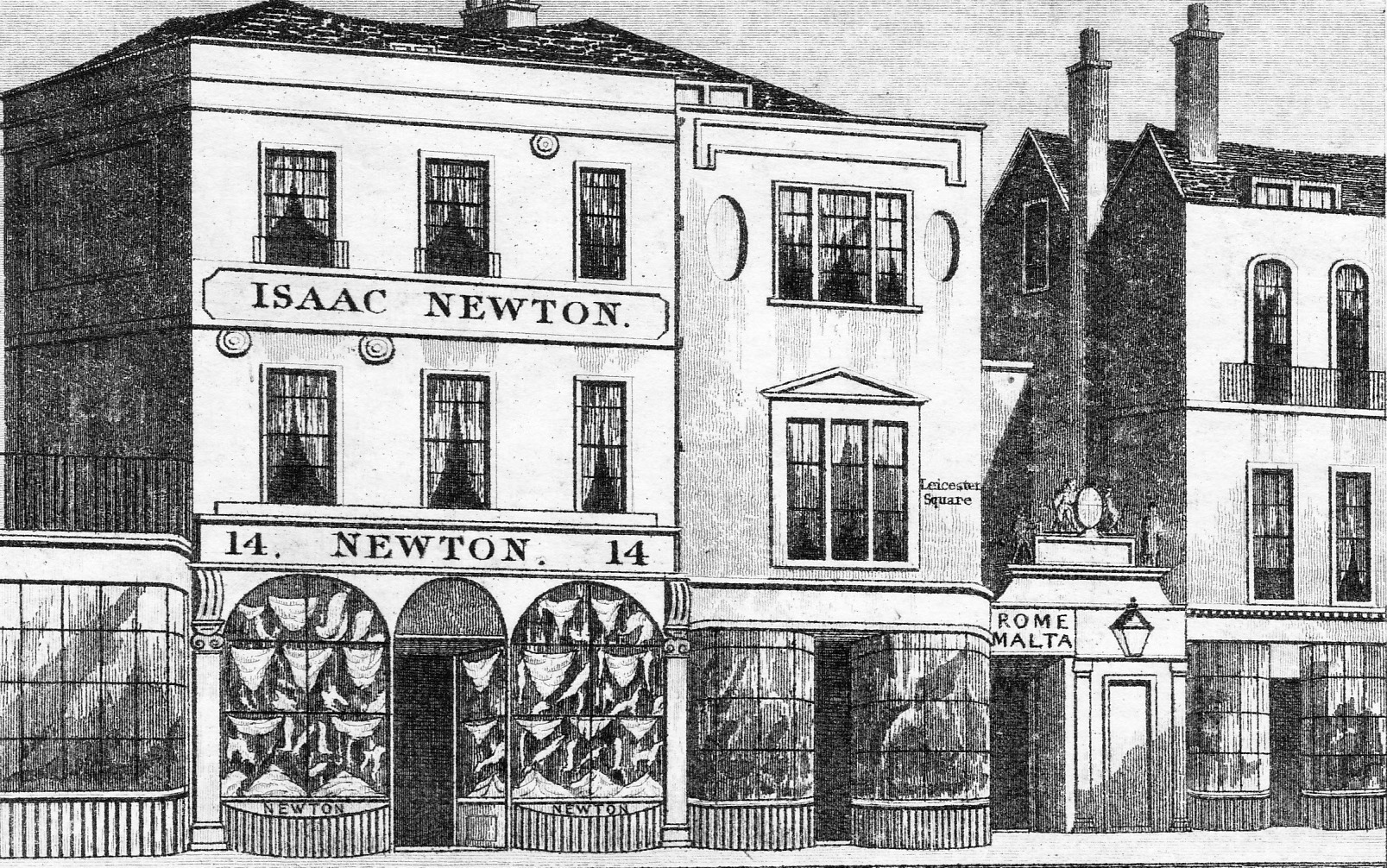
On Monday, while Napoleon’s little flotilla was creeping north-west on the very lightest of winds, missing British warships by the skin of his teeth and incredible good luck, Henry Aston Barker, proprietor of the Panorama, Leicester Square was advertising that “The beautiful VIEW OF MALTA will positively CLOSE on Saturday 11th March. The splendid Battle of Vittoria will also be closed in a few weeks. Open from 10 till dusk. Admission to each painting 1s.” Interest in the French wars was, perhaps, fading. In this print the entrance to the Panorama can just be seen to the side of Isaac Newton’s drapery business with “Rome, Malta” over the door.
Ironically most newspapers carried an advertisement informing readers that “PRINCE LUCIEN BONAPARTE’S MAGNIFICENT COLLECTION OF PICTURES is now open to the Public, and will be Sold by Private Contract, individually, at the New Gallery, no.60 Pall-mall. Admittance 1s. Descriptive catalogue 1s 6d.”
The local papers had, understandably, more parochial concerns. Readers could discover that a reward of £100 was offered for the discovery of the murder of Mary Hall, wife of Henry Hall, labourer at Dagnall in Buckinghamshire, with a free pardon to any accomplice making such discovery, or be amazed by the item in the Birmingham Daily Post announcing under the heading “Early Closing” that the “drapers of the town of Bromsgrove have resolved in future to close their establishments at ten instead of eleven o’clock on Saturday nights.” Such liberality to the employees! The London papers also reported that, “In consequence of the Chancellor of the Exchequer not having proposed any new tax on beer the principal brewers of Portsmouth and neighbourhood have met together and have decided to lower the price of beer this day to 5d per pot.”
Far more seriously, from Vienna, the Times reported, ”The discussions on the slave trade have been very warm at the Congress. Lord Castlereagh was extremely anxious to take with him its abolition, but he met with opponents worthy of him. It was in vain that he made a pompous display of philanthropy; it was thought to be visible that he was more occupied by the interest of his own country, than by the love of humanity.”
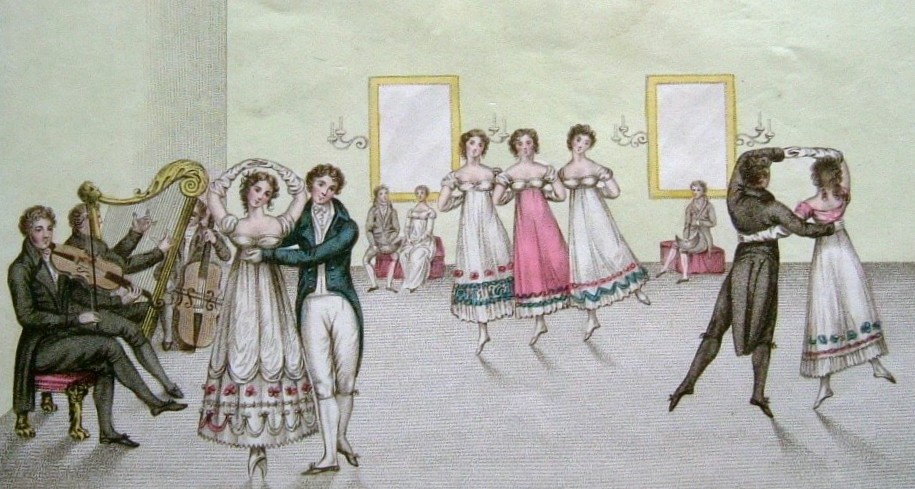
For those for whom the cost of beer was of little importance, Mr T W Lord advertised dancing lessons: “to give instruction in the most fashionable style and by his easy & superior methods they are soon perfectly qualified to appear in the first circles. The German Waltz may be attained in Six Lessons.” The print below is from La Belle Assemblee (1817) and shows a waltz class in action.BA 1817 waltz
Meanwhile Napoleon’s ships continued unmolested, or even challenged, and at 1 p.m. on March 1st they passed Antibes and anchored at Golfe Juan. The first troops to land met no opposition and just after 4 p.m. Napoleon was rowed ashore to set foot once more on French soil. Antibes was too well defended to attack, so Napoleon went into Cannes, where he met neither opposition, nor much enthusiasm, and led his army north up the rough road that led to Grasse and the north.
By hard marching over very difficult terrain he reached Digne, 87 miles from the coast, on Saturday 4th March. He was greeted with enthusiasm – and the news of his landing finally reached Paris by telegraph. London and Vienna were quite unaware of what had occurred.
On 5th March I’ll blog about the next week, as London, in the grip of the Corn Law riots, continued in ignorance of the invasion, the King of France dithered and the news of Napoleon’s escape reached Vienna – and the Duke of Wellington.

Battlefield Brides – three Waterloo heroes and the women who went to war with them:
Sarah Mallory – A Lady For Lord Randall (May 2015)
Annie Burrows – A Mistress For Major Bartlett
Louise Allen – A Rose for Major Flint (July 2015)

16 Comments

Filed under Dance, Entertainment, Napoleon, Regency caricatures, Waterloo

An English Poet in Georgian Malta

On my holidays this year I seem to have been bumping into the long arm of the Georgian navy at every turn. In August and September I wrote about encounters in Canada with Queen Victoria’s father, the Duke of Kent, and uncle, William IV when he was a naval officer. Last month I visited Malta and, standing in front of the Grand Master’s Palace in the heart of Valletta, found myself looking up at an unmistakable coat of arms on the opposite side of St George’s Square.

Even without seeing the date of 1814, this is clearly a Georgian coat of arms with the white horse of the house of Hanover as the other supporter with the British lion. So what was it doing there? I should have remembered that Malta was one of the Mediterranean islands that fell to the British after the defeat of the French navy at the Battle of the Nile in 1798. Translated the motto reads: “The love of the Maltese and the voice of Europe assigned these Islands to great and unconquered Britain. A.D. 1814.” No shortage of self-confidence there…

The Grand Harbour is one of the greatest harbours of the world, as the Knights of St John who had governed Malta for hundreds of years appreciated. In 1798 the French ousted the Knights and took over the supremely strategic island and even after the Battle of the Nile the French clung on to Malta, with some of the surviving ships of the fleet sheltering in the harbour. The British navy promptly blockaded the island. They were helped by the Maltese population who, although they were weary of the Knights’ rule, seem to have liked the French even less. In September 1800 the French ships tried to break out and were captured and the island fell. In 1814, the date on the coat of arms, Malta became a British colony, finally achieving independence in 1964.

Throughout history Malta has been of huge strategic importance in the Mediterranean which has made it all too often the target of fierce fighting – notably under the Knights and during the Second World War where its population endured the most appalling conditions and were awarded the George Cross as a tribute to their courage. With the arrival of the British in 1800 the island found an unexpected peace and prosperity. British merchants came in droves and it became an invaluable distribution point for British exports and the harbour and the presence of the fleet created huge commercial and employment opportunities. Not all was sweetness and light – the history of Anglo-Maltese relations is too complex to explore here – but the British presence for over 160 years has left a deep impression on the island.

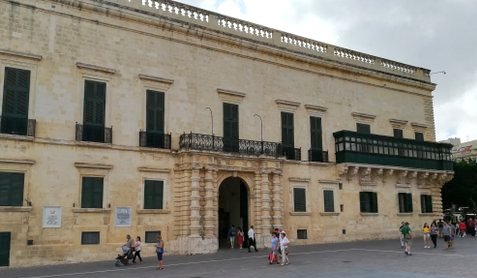
The Grand Master’s Palace (below) became the seat of government and the residence of the British Governor.

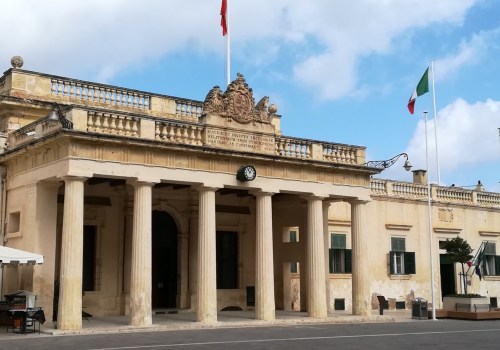
Opposite is the Main Guard Building (below) which was built by the Knights in 1603 as the guardhouse for the Palace. The neo-classical portico was added, along with the coat of arms, in 1814.

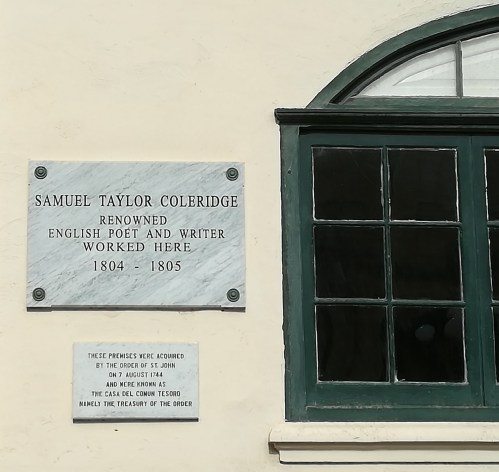
So what was the poet Samuel Taylor Coleridge, perhaps now most famous for his poems The Ancient Mariner and Kubla Khan, to do with this? To my surprise I found a plaque to him on a building on the corner of St George’s Square. Apparently, in 1804, despite health problems and an increasing opium addiction, he travelled to Sicily and then to Malta where he found a post as Acting Public Secretary under the Civil Commissioner, Sir Alexander Bell. Despite being successful in the role he resigned and returned to England in 1806.


5 Comments

Filed under Buildings, Military, Napoleon, Travel

Nelson’s Triumph or Bonaparte in the Dumps!

nelson


I always enjoy finding links to British history when I’m abroad and the Mediterranean is a fruitful source of mid-late Georgian connections. My last holiday, in Sicily, produced connections to Nelson and the Battle of the Nile.

On  October 4th 1798 The Times carried as its most prominent advertisement:

Nelsons’ Triumph or Bonaparte in the Dumps

New fireworks analogous to the glorious Battle, off

the Mouth of the Nile, on the 1st of August last, between

the British and french fleets.

…consisting of Song, Dance and

Pantomime; a view of the Egyptian country and also a

view of the two Fleets in real action…

The country had been waiting for the news of this battle since April that year when Admiral Sir Horatio Nelson had been dispatched to Toulon to engage the French fleet which was at anchor there. However, the French slipped through and Nelson’s ships took a battering in a storm. In June more ships joined the British squadron and Nelson was given orders to track down the French.

There followed a game of blind man’s bluff with Nelson unable to pin down the enemy. When Bonaparte invaded Malta on June 10th criticism at home became acute, although The Times stoutly defended the Admiral. Nelson learned of the invasion almost two weeks later, along with the news that the French fleet was off Sicily. When he arrived he was given inaccurate information about the enemy who were only 50 miles distant, and sailed on to Alexandria, then Syria, missing the French who took Alexandria on July 1st. The army proceeded to march south to capture Cairo while Nelson, still with no news of the French, sailed into Syracuse on the south cost of Sicily for supplies on July 21st.

dscn8296

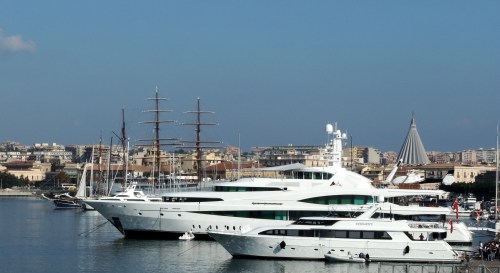
I was in Syracuse, one of my favourite Italian cities, last week and found traces of Nelson’s visit. The Great Harbour at Syracuse is magnificent and was in use as a great naval centre since the city – or, rather Ortygia, the original island – was founded in 733BC as a Greek colony. Two immensely significant sea battles took place in the harbour in 413BC when the Athenian fleet attempted to take the city with 73 triremes. Nelson would have been aware of this significant episode in the Peloponnese War, although whether he had time to think about it is another matter! Above – The masts of sailing ships are a ghost of Nelson’s fleet amongst the modern yachts in Syracuse’s Grand Harbour

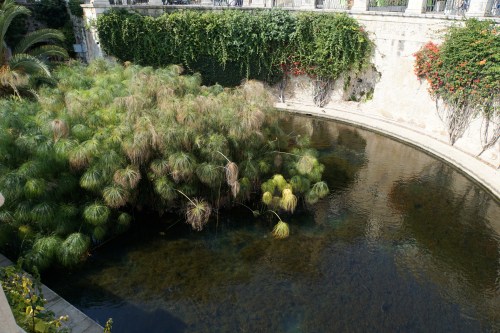
He had his fleet’s water casks refilled at the beautiful Spring of Arethusa (below), a remarkable fresh water spring right on the shore of the Grand Harbour. It’s reliable flow was the reason for the initial settlement on the island and today it is the only place outside Egypt where papyrus grows wild – I wondered whether it was growing there in Nelson’s time and whether he could have seen it as an omen.

dsc02159

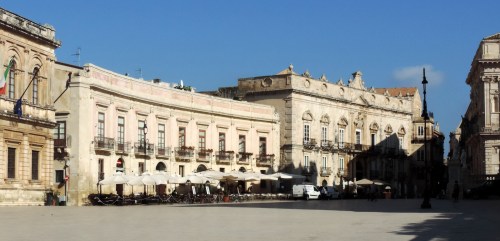
The magnificent Baroque palazzo where the Admiral stayed while the re-victualing was in progress can be seen in the cathedral square, close to the Spring. It is known as the Beneventano del Bosco Palace, home to Baron Guglielmo Benevento Maria del Bosco and is still in the family today. (Tallest building on the right below)

dscn8305

On July 25th Nelson led his fleet east in a desperate search for Bonaparte. On August 1st the Alexander and the Swiftsure saw the tricolour flying over Alexandria and that afternoon Nelson received signals that the French were lying in Aboukir Bay. He did not delay and at 5.30pm Nelson signalled to the fleet “form a battle line as most convenient” and engaged the enemy. At 10pm L’Orient, the French flagship exploded – Nelson had won the Battle of the Nile.

By August 11th rumours of a battle reached London, but via the Paris papers which were claiming a French victory. By Monday 13th The Times reported “it seems however to be generally believed that an action has taken place, of which we hourly expect to receive advice.” By the 17th the story was that Nelson had captured L’Orient with Napoleon on board but it was not until October 1st that The Times could write “The Government is yet without any official news from Admiral Nelson, but several reports were in circulation on Saturday which tend to corroborate the account of the victory.”

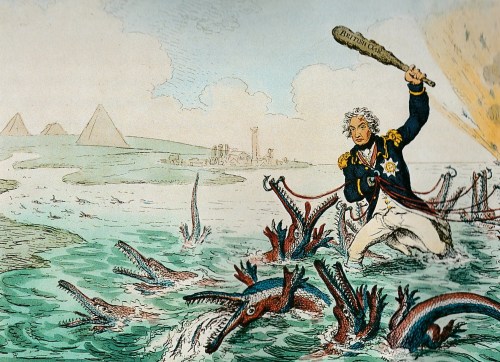
Nelson became an international celebrity as a result of this victory and was created Baron Nelson of the Nile. (By all accounts he was disgruntled by this and thought a viscountcy more appropriate!) The print at the top of this post is a Gilray cartoon “Extirpation of the Plagues of Egypt” showing Nelson clubbing tricolour crocodiles.

Save

Save

Save

Save

Save

1 Comment

Filed under Napoleon, Regency caricatures

The Real Castle of Otranto

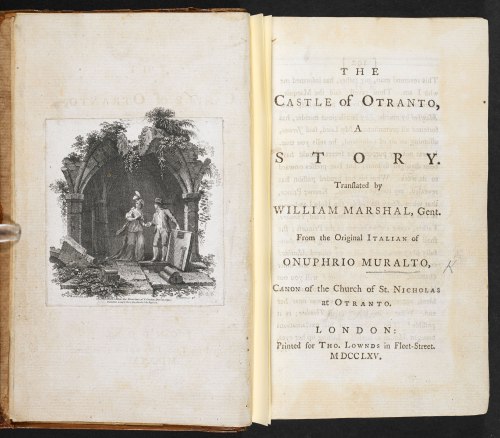
In 1764 Horace Walpole published The Castle of Otranto, A Story. Translated by William Marshal, Gent. From the Original Italian of Onuphrio Muralto, Canon of the Church of St. Nicholas at Otranto. [Image: British Library]

oTRANTO FRONT

Walpole (1717-97) was the son of Robert Walpole, recognised as Britain’s first Prime Minister, and was variously a Whig politician, a dilettante, an antiquarian and the creator of the wonderful Gothic masterpiece, Strawberry Hill, his house in Twickenham.

Walpole’s book – often considered to be the first Gothic novel – has the lot: a giant supernatural helmet that crushes a bridegroom to death, thwarted love, tragic stabbings, lustful noblemen, vengeful fathers, sword fights, ghostly happenings and much, much more. Frankly, attempting to summarise the plot is impossible but a short extract gives the flavour:

Manfred, whose spirits were inflamed, and whom Isabelle had driven from her on his urging his passion with too little reserve, did not doubt but that the inquietude she had expressed had been occasioned by her impatience to meet Theodore. Provoked by these conjectures, and enraged at her father, he hastened secretly to the great church.  Gliding softly between the aisles, and guided by an imperfect gleam of moonlight that shone faintly through the illuminated windows, he stole towards the tomb of Alfonso…

After the success of the first edition, purporting to be a translation of an ancient manuscript, Walpole came clean for the second edition and admitted to writing it. It was hugely popular, spawned an entire genre of fiction and inspired numerous stage melodramas.

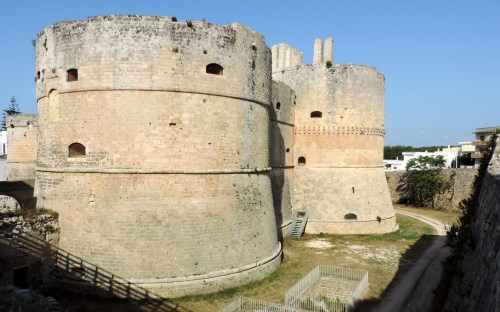
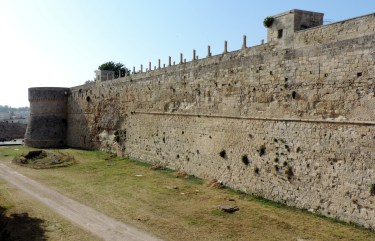
I was recently on a small ship cruise in the Mediterranean in the footsteps of Edward Lear and found myself in the Italian port of Otranto. Obviously the priority was to seek out the castle. I had visions of gothic towers, creepy turrets, gloomy dungeons, gargoyles… Actually, it is nothing like that at all, which was rather a disappointment.Otranto

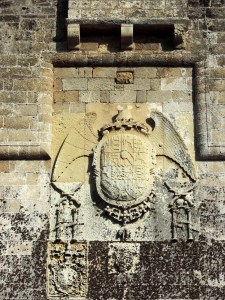
It is known as The Castello Aragonese, was rebuilt by Alphonso II of Naples in 1485–98 and is an aggressively militaristic edifice with not a gargoyle in sight. Over the entrance is the coat of arms of the Holy Roman Emperor Charles V (1500-58) who owned southern Italy when it was part of the Kingdom of Aragon.

Otranto arms

An impressive castle – but not, I fear, the house of horrors of Walpole’s imagination, unless one pictures the huge coat of arms taking off on those strange wings behind it and crashing down on some unfortunate bridegroom…

Napoleon stationed naval ships  in Otranto harbour from 1804 and in 1808 created the hereditary title Duc d’Otrante for his Minister of Police Joseph Fouché when the town became duché grand-fief in the satellite Kingdom of Naples. The dukes now live in Sweden and the title is still extant, apparently without any gothic nightmares to haunt the family.Otranto moat

Save

Save

Save

Save

Save

2 Comments

Filed under Architecture, Books, Buildings, Literature, Napoleon

The Road to Waterloo Week 14: Napoleon Presents Eagles, Haymaking Begins & The Cavalry Passes in Review

On the first, and only, sunny Sunday of the entire 100 Days, Napoleon held a great military parade at La Place du Carrousel in Paris. 25,000 troops passed before him, comprising five regiments of line, four of the Young Guard and a party of recruits, not yet in uniform. They shouted Vive l’Empereur as they marched and he came down from his podium to join the Guard. Paris was full of troops now, as they marched through towards the border.
By the end of May the total armed forces available to Napoleon had reached 198,000 with 66,000 more in depots training up but not yet ready for deployment.

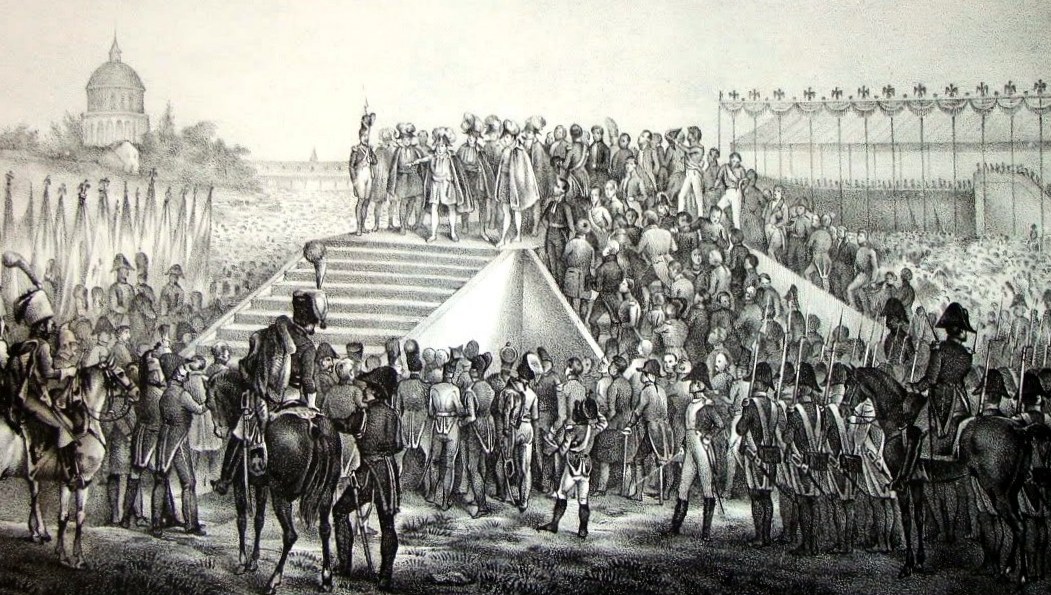
Finally the much-postponed Champ-de-Mai arrived, on June 1st. Champ de Mai The sun had deserted Paris again and it was a cold, grey day as 200,000 people assembled in the Champ de Mars, most of them unable to see what was going on within the wooden arena built for the ceremonial. The court, the university, the magistrates, all turned up in their robes and then had to wait for hours until Napoleon finally appeared in a purple mantle that was too tight and too short and which gave him great problems as he came down the steps to his throne. One observer described him as looking “ungainly and squat”. Declarations and promulgations were read, speeches were made and a Te Deum sung. Napoleon then processed to a throne on a pyramid, surrounded by soldiers brandishing swords and flags while he distributed eagles to the National Guard and the army.

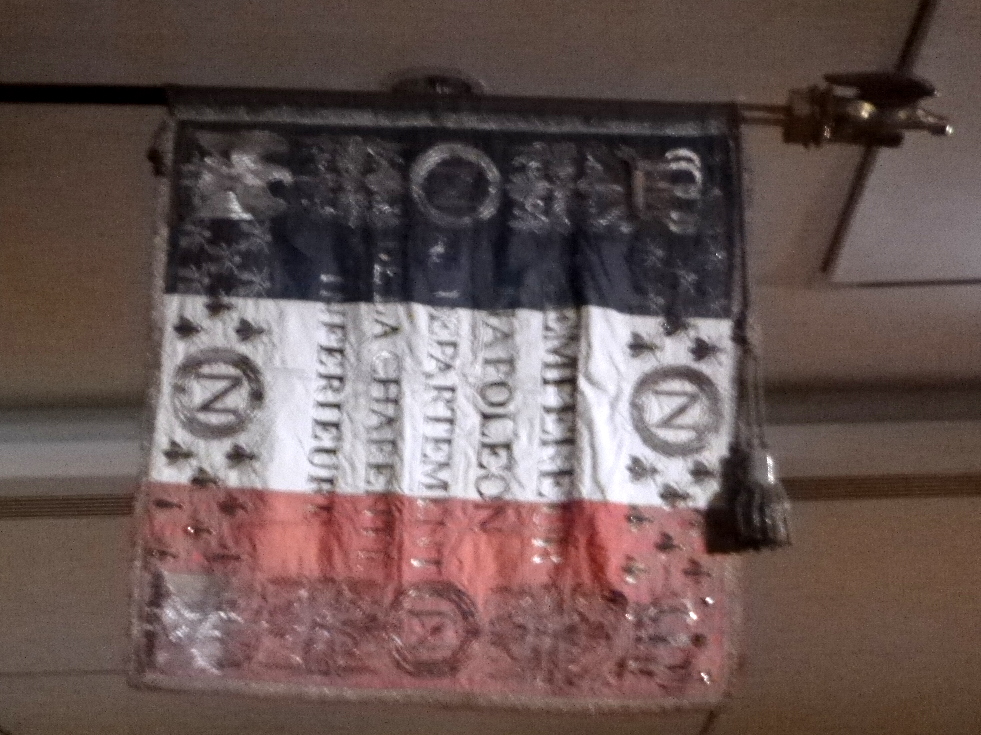
I was thrilled to see two of the actual eagles Napoleon distributed at the “Bonaparte and the British” exhibition at the British Museum. They were captured at Waterloo and sixty seven of them were presented to Wellington by a grateful King Louis. The banners are beautifully worked in silver bullion thread on silk.

EagleA British observer noted that all the enthusiasm came from the troops – the ordinary people were mainly silent.
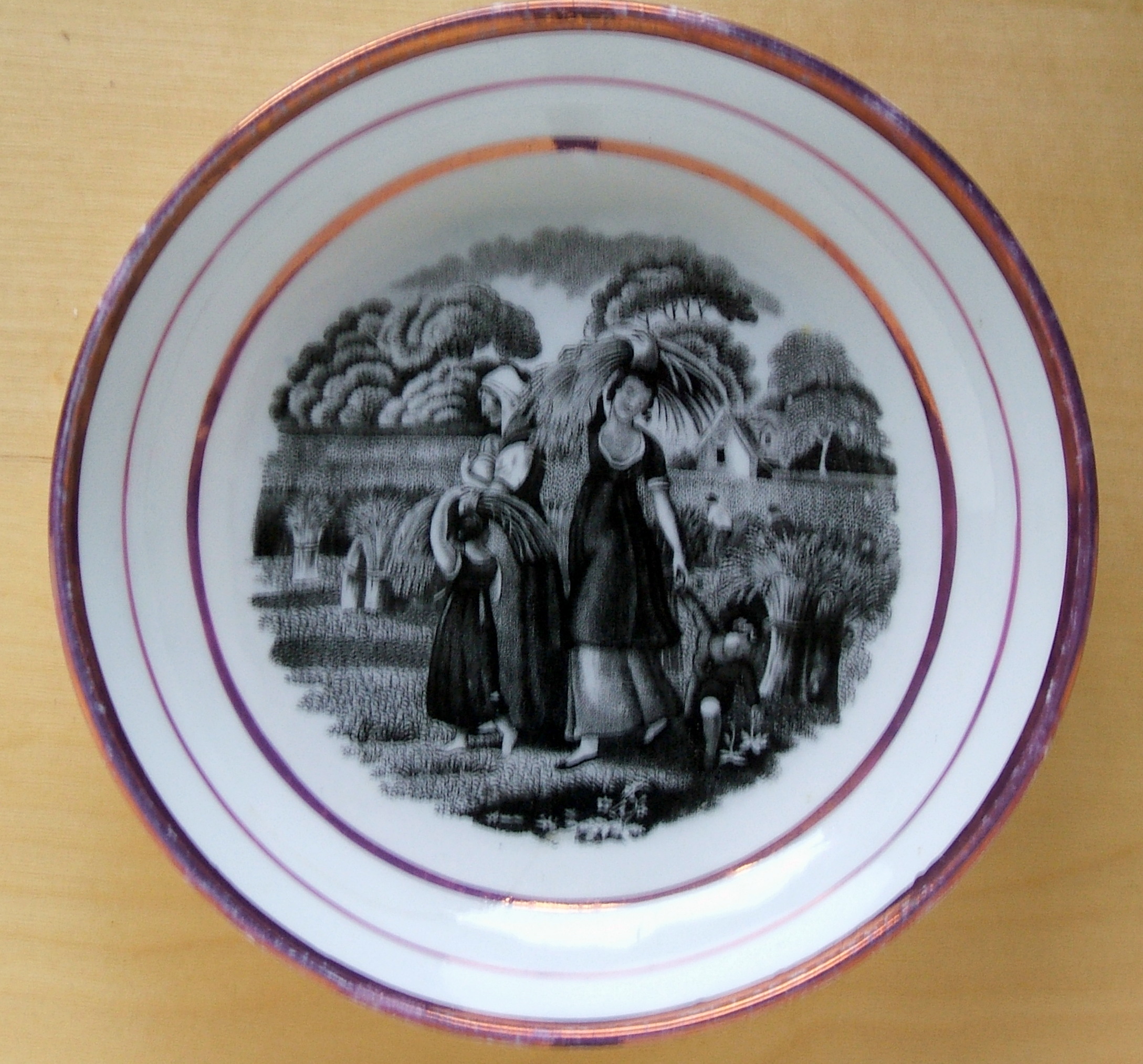
In London the ton were making ready to depart to country estates, spas or seaside resorts.  “Fashionable Departures” noted in the Morning Post for June 1st included the Duke and Duchess of Newcastle, off to Lincolnshire; the Duke of Marlborough to Sion Hill; Mr Drake, MP, for Tunbridge Wells and, more ominously, “Captain Mackenzie for the continent.” The sun was shining at last and farmers were getting ready for haymaking. Below is an idyllic country scene of harvesters

Pic009
Near Brussels things were clearly moving towards a confrontation. On 29th May the Earl of Uxbridge held a review of British cavalry near Ninove, a major event which was attended by Blücher, the Duke of Brunswick, the Prince of Orange and the King of the United Netherlands as well as a large number of Russian and Prussian generals. The day before there was a parade in Brussels and Wellington hosted a dinner. The next day the cavalry assembled in the meadows – almost 7,000 in number. “46 of the finest squadrons of cavalry ever seen were drawn up in a place in their lines, with 6 troops of Horse artillery and a Brigade of rockets,” with thousands of spectators, including “all the haut ton of Brussels,” according to one spectator.
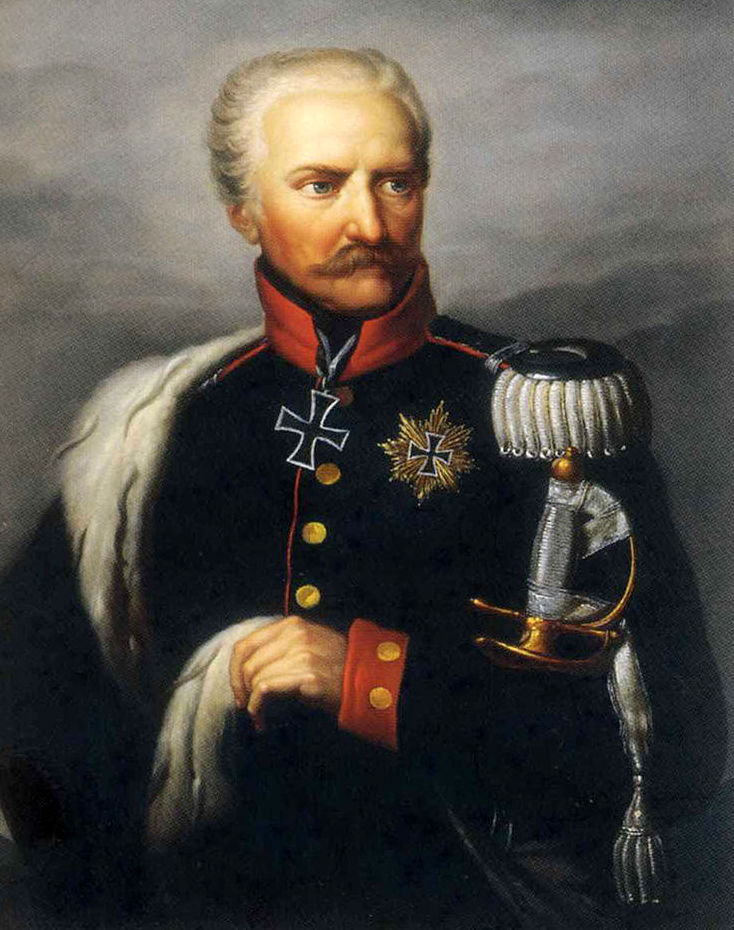
It was followed at 5 o’clock by a banquet for a hundred guests, all accompanied by “the finest wines.” Apparently the meal ended and the party broke up at 8 o’clock, far too early for Marshall Blücher, (shown below left) a man who enjoyed hard drinking.

Blucher
Despite this clear indication that the fighting could not be far off, the British in Brussels thought that the Allied troops would march off to meet the French close to, or over, the border. Visitors to Brussels and to Flanders generally, continued to arrive on sightseeing trips, quite confident of their personal safety.

2 Comments

Filed under Agriculture, Battle of Waterloo, Napoleon

The Road to Waterloo Week 13: War Is Declared at Last, the Prince Regent Builds and the Mob Protests

France was still in the grip of a miserable, cold, foggy Spring but Napoleon would have been encouraged by Britain’s reluctance to declare war, giving him more time to wrestle with his constitutional and political problems and continue to expand his army.
An insecure British government was facing Radical opposition within the Commons and on the streets, the economy was shaky and everyone was depressed by the weather. The price of bread was rising, the farmers were having a tough time because of the rain and the King’s health kept him out of the public eye – “his disorder continues without any sensible alteration,” according to the bulletins.

Carlton House detail
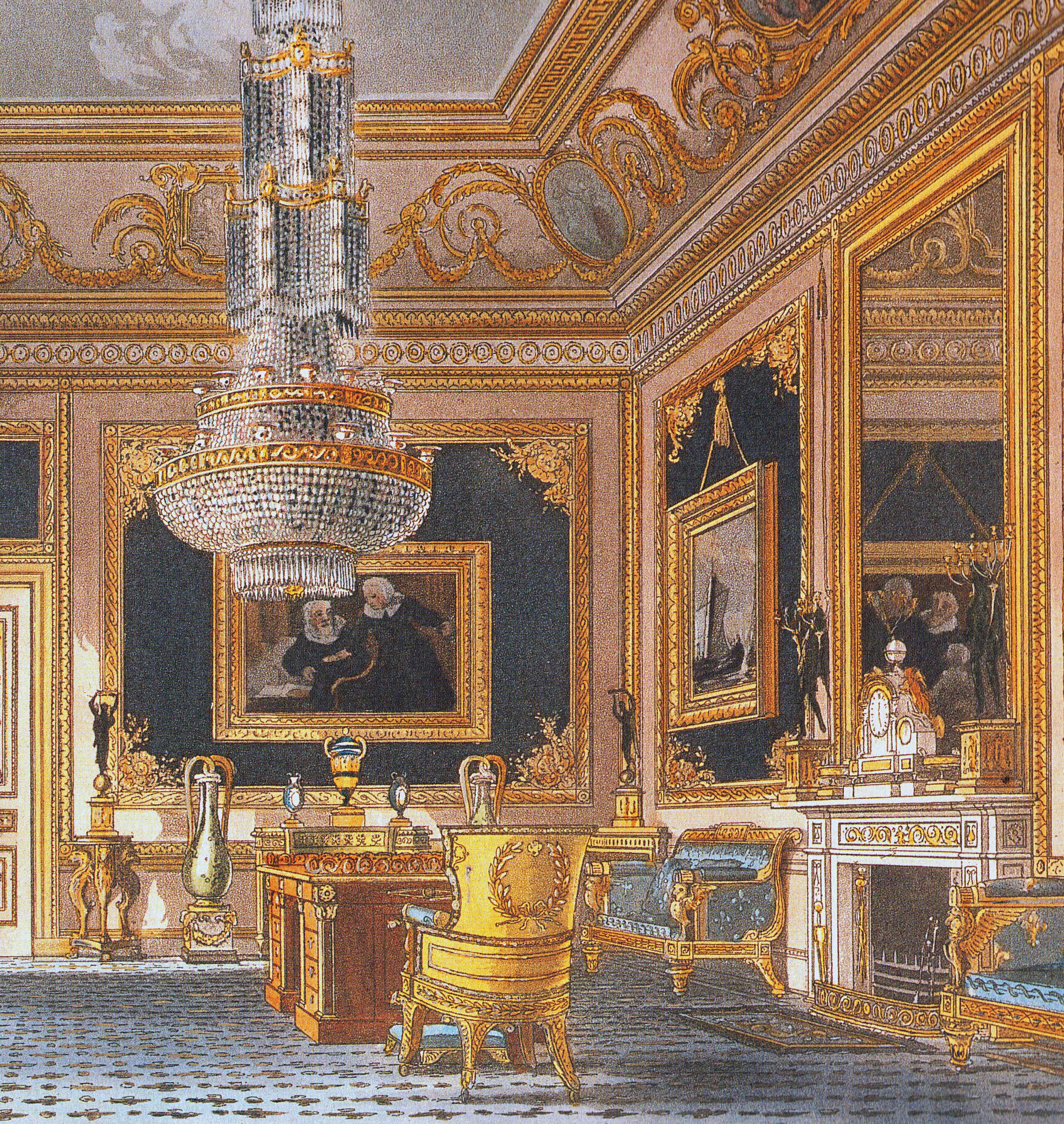
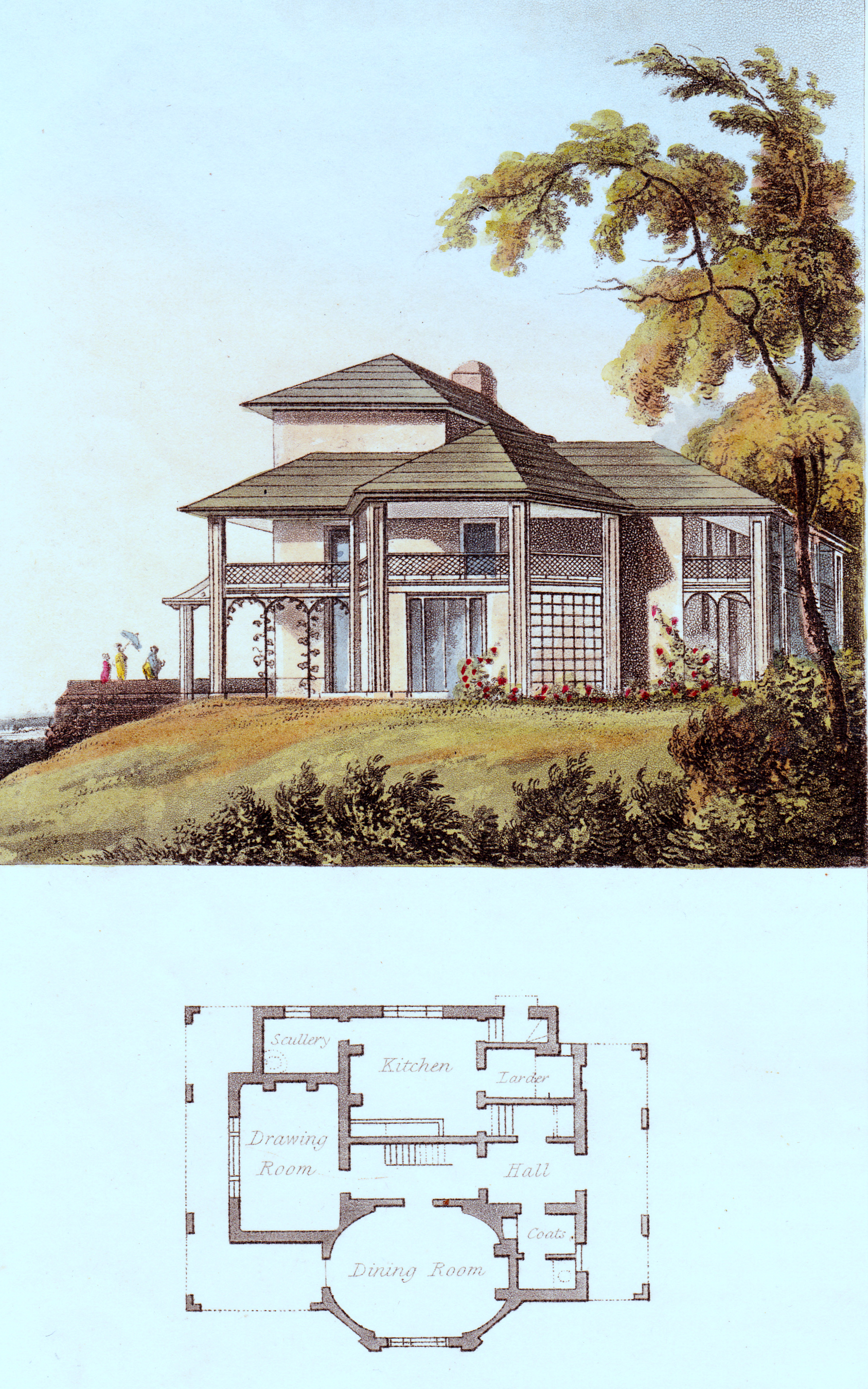
Only the Prince Regent seemed to be in a good mood – or perhaps he was keeping his spirits up with an orgy of lavish building works. A gothic-style dining room was added to Carlton House along with a library in the same style and a golden drawing room. Above is a detail of the Blue Velvet Room at Carlton House, a good example of the Regent’s lavish taste. At the same time John Nash was working on a “cottage” for the Regent in Windsor Great Park, a large and elaborate house the cottage orné style, with thatched roofs, verandas, and a conservatory. (It was demolished by William IV and the Royal Lodge now stands on the site). Nash was also working on further plans for the Pavilion at Brighton. Below is an example of the cottage orné style, although this is a much smaller example than Nash’s would have been. The drawing is from Ackermann’s Repository (November 1816)

cottage ornee
The Whigs were attacking the head of the diplomatic corps, Lord Castlereagh, and, through him the Congress of Vienna, dominated by Russia, Prussia and Austria who, they said, were a threat to independent nations. Vociferously led by Samuel Whitbread they argued that Napoleon had the support of the French people and it was wrong to go to war simply because Britain did not like him. Whitbread argued that the Emperor was now peace-loving, Castlereagh countered that once he had assembled 400,000 troops it would soon become apparent how peace-loving he was.
The harassed government was faced with mobs on the streets protesting about the Corn Law, the Income Tax, the slave trade and the Prince Regent’s extravagance, but they finally decided that Napoleon was secure on the French throne and that war was inevitable. The Allied Treaty, signed at Vienna on 25th March, was laid before the House at last – if Parliament ratified it, it became a declaration of war. It was approved in the Lords by 156 votes to 44 and in the Commons by 331 to 92 on 25th May. War was now inevitable, the only question was – when?
The firebrand Samuel Whitbread fell strangely silent after this, his place as the radical leader taken by Francis Burdett and Henry Hunt. Whitbread may have been in financial difficulty and earlier in the month he had resigned his management of Drury Lane Theatre, in which he had invested a great deal of money.
At Drury Lane on the 24th, there was a benefit performance by Edmund Kean, announced as a never-before performed tragedy by Shakespeare. The newspapers the next day were respectful of Kean, but sarcastic about the play.
“MR KEAN took his benefit last night. A tragedy by SHAKESPEARE – “never acted” had been announced as the performance of the evening; but “insurmountable difficulties” opposing the execution of this design, (no great wonder, bye the bye, for what play, undoubtedly SHAKESPEARE’S, can we at this time of day, take upon ourselves to assert, had never been acted?) the tragedy of the “Revenge”, was substituted, and MR KEAN appeared for the first time as the representative of Zanga.”

Leave a comment

Filed under Architecture, Entertainment, Napoleon, Prince Regent

The Road to Waterloo Week 12 – Income Tax is Here to Stay, A Famous Dipper Dies and Naploleon Digs In

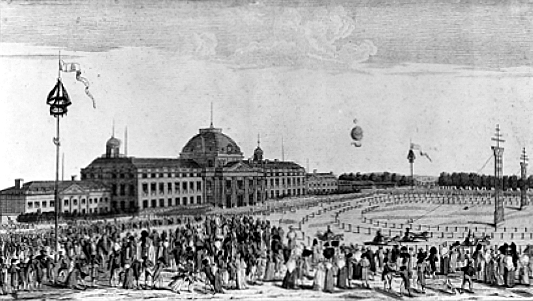
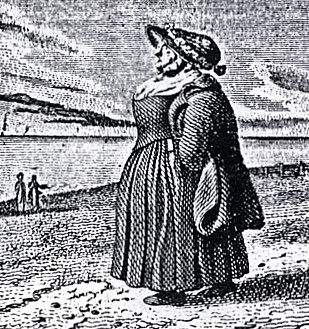
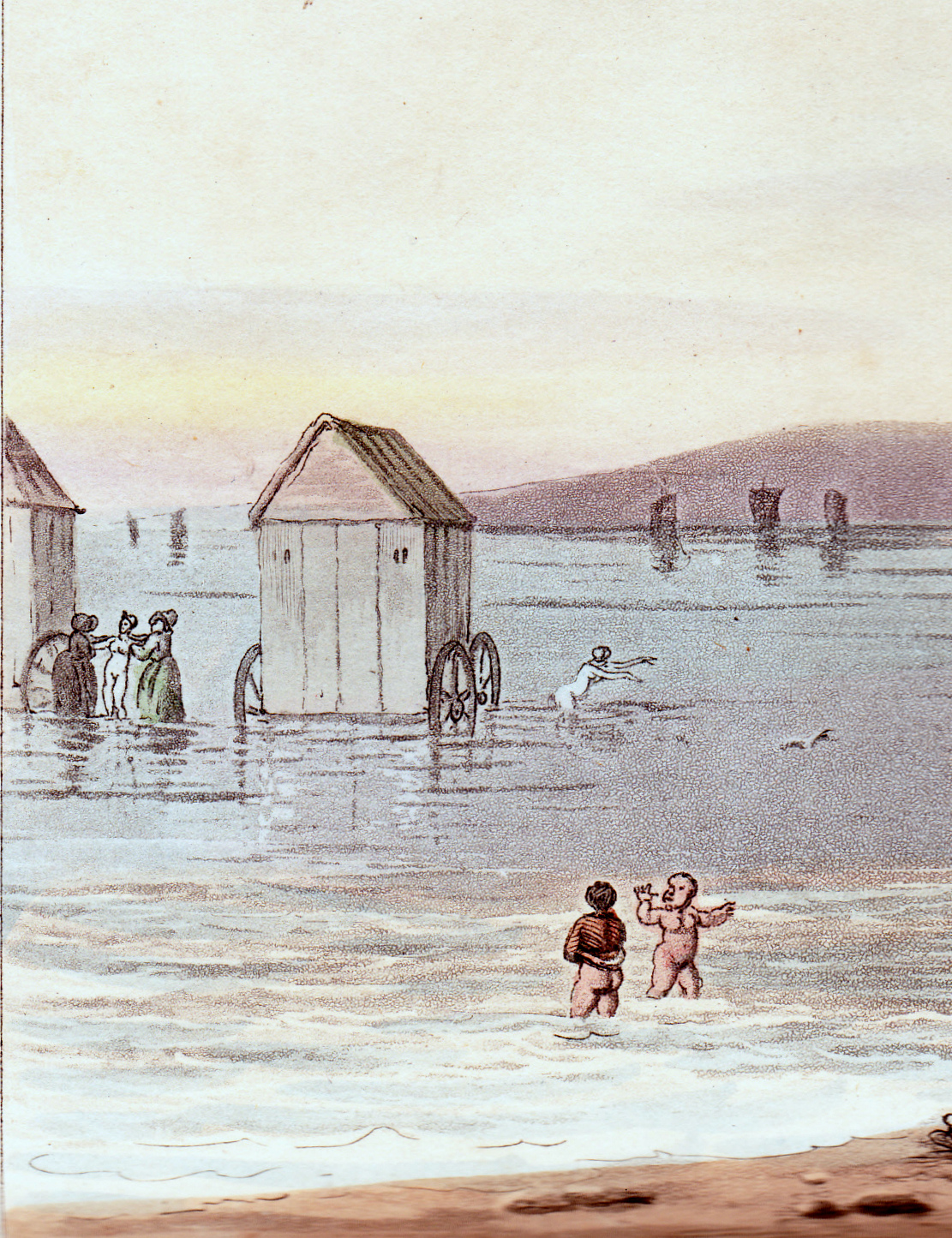
The Fédéres, the hard-core revolutionary group, had attracted tens of thousands of supporters by the second week in May – but this was out of a nation of thirty million and the level of true support for Napoleon was still unclear, not only abroad but also in France. On Sunday 14th May twelve thousand Fédéres marched past Napoleon in the Tuileries, just before the usual Sunday military parade. They were unarmed and appeared in their working clothes – “labouring dresses and dustmen’s hats” according to one observer. While they waited for the muskets that Napoleon promised them (and his Ministers were very dubious about providing) they continued to work on the barricades. Napoleon would ride out every morning to inspect the works which created vast muddy ramparts from Montmartre to Vincennes. Champ de Mars Since early April work had been going on to create a huge temporary amphitheatre on the Champ de Mars. This was intended to house the Champ de Mai which would include a national congress – or perhaps a celebration of the new constitution or… Plans wavered, were changed, fiddled with… but the work went on, with platforms and flag staffs, a vast throne on top of a pyramid and hordes of eagles. Eventually it was held on June 1st. The Champ de Mars still remains as a public park in Paris, located between the Eiffel Tower to the northwest and the École Militaire to the southeast. It was named after the Campus Martius in Rome – the field of Mars, the Roman god of war. The space was intended as a drilling and marching ground for the French army. The print shows the École Militaire end of the Field. In England feelings were unsettled. War had still not been declared, but military encampments were springing up all over the south of England, 6,000 horses had been purchased and sent to the Thames ports and 1.5 million cartridges were shipped out of the Ordnance Wharf at Chatham. To further lower the public mood the weather was atrocious, the price of bread was rising, the King’s health was very poor and the promised abolition of the Income Tax had not occurred – in fact on May 12th a Act had been passed to extend it for another year. Newspapers recorded petitions against the war, but the opinion columns made it clear that a declaration was inevitable. Marth Gunn A notable personality had passed away the week before and on Monday the Morning Chronicle recorded the funeral of Martha Gunn, a famous ‘dipper’ or bathing woman from Brighton. “The whole town was in motion to witness [the funeral]. Her remains were followed to the grave by about forty relatives and friends, chiefly bathers. The ceremony throughout was conducted with the greatest order and solemnity.” The print shows the sturdy figure of Martha – she must have needed that solidity and layer of fat to stand in the sea day in, day out, helping to dunk bathers who had been prescribed regular immersion in the sea by their doctors. Dipping The detail from a coloured print shows two sturdy dippers assisting a completely naked female bather, with another striking out from her bathing machine unaided. This is from Political Sketches of Scarborough (1818) and it is interesting that the bathers are nude and that no-one on shore shows the slightest interest in them.

5 Comments

Filed under Napoleon, Seaside resorts, Women

Receiving the News – the Telegraph System

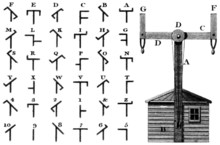
In my blog posts about the weeks leading up to the battle of Waterloo I mentioned how long it took for the news of Napoleon’s escape from Elba to reach Paris. This was particularly surprising because the French had a magnificent telegraph system – defeated on this occasion, just when it was needed most, by poor visibility. The first visual telegraph system was the invention of Claude Chappe, a French engineer, working with his brothers. The French government seized on the invention and installed a network of 556 stations covering the entire country. Stelegraph codestations were updated and added to and the system continued in use until the 1850s when electric telegraphy took over. A Chappe telegraph and the posible positions are shown on the left.
During the French wars the Allies were handicapped by poor communications while the French had this excellent system – provided visibility was good. The brothers invented a simple and robust system with two arms, each with a short upright at the end. This could be controlled by counterweights by one man. A message of 36 letters could reach Lille from Paris in about half an hour. Codes were also developed, so messages, including numbers, could be sent in plain, or code. in addition there was a 3-armed system  used from 1803 onwards at coastal locations to warn of invasion. The Emperor was so convinced of the benefits of the telegraph that he took portable versions with him on campaign.
The British government was quick to see that without a telegraph system they were at a distinct disadvantage. The Admiralty’s Shutter Telegraph was created in 1795 to a design by Lord John Murray and had six rotating shutters which were used to indicate a complicated code. It required a rectangular framework tower with six, five feet high, octagonal shutters on horizontal axes that flipped between horizontal and vertical positions to signal. One was set up on top of the Admiralty building in Whitehall – more or less where the modern telecommunications masts can be seen today doing much the same job.
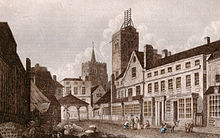
With a staggering disregard for security it was possible to visit the telegraph station, provided one tipped the operator. Presumably only reputable persons were permitted to enter the Admiralty in the first place, but it is still hard to believe that this was not a security loophole. The newspapers kept an eye on telegraphSt Alabans activity and could deduce when something major was about to happen by the volume of traffic and where it was going, even if they could not decipher it
The first line ran from the Admiralty to the dockyards at Sheerness and on to Deal. It had 15 stations along the route and a message took an astonishing sixty seconds. The second went south from London to the naval base at Portsmouth and then on to Plymouth and was opened in May 1806. The third to Yarmouth on the east coast opened in 1808. The image on the left shows the telegraph array on top of the church on St Albans, Hertfordshire.OLYMPUS DIGITAL CAMERA
The intermediate stations were  wooden huts and with a staggering lack of foresight they were all abandoned in 1814 when peace was declared and had to be recommissioned hastily in March 1815 when the news of Bonaparte’s escape from Elba reached London.
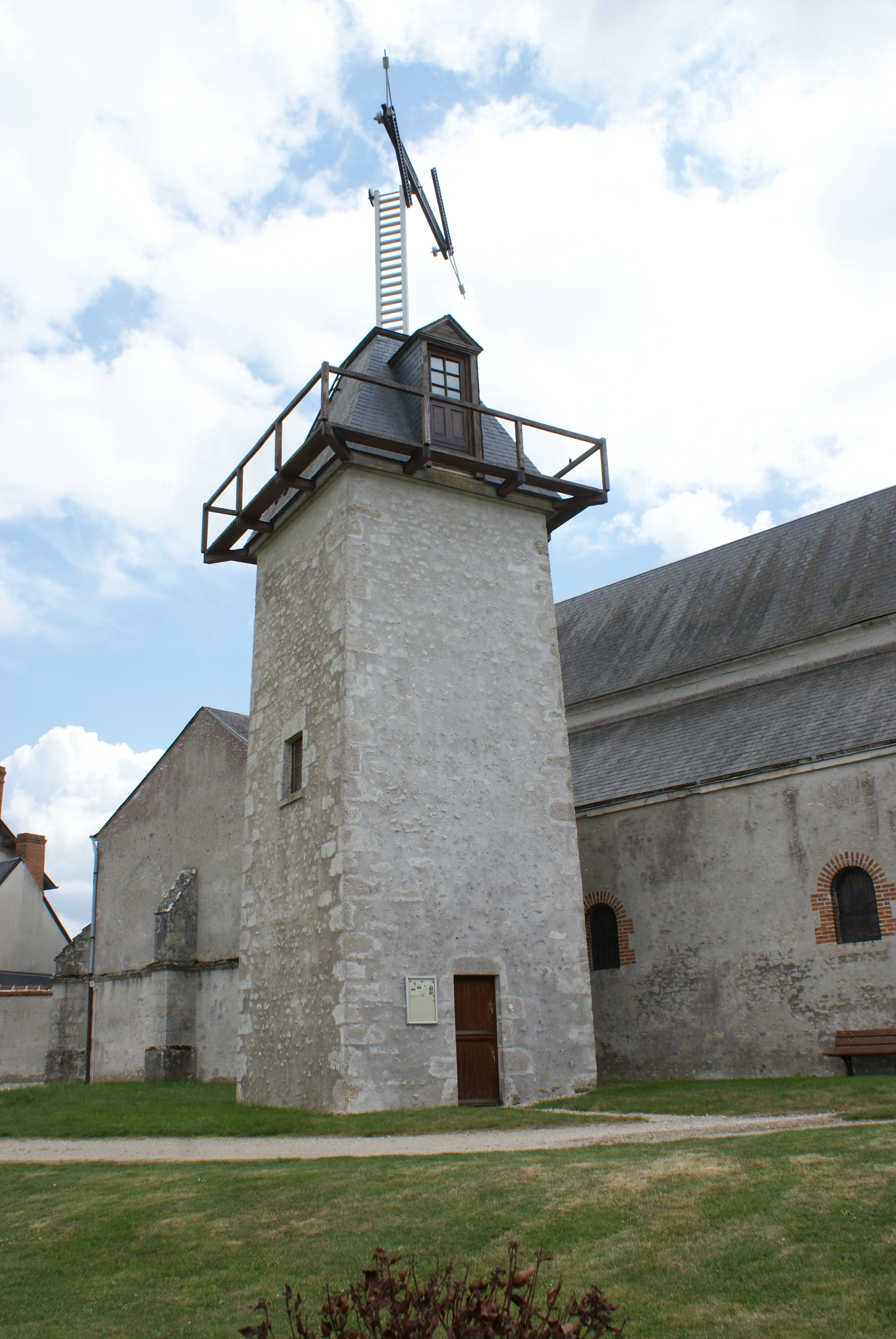
When peace came the enterprising Chappe brothers promoted their system for commercial use and some of their stone towers can still be found – there is one in Saverne, for example, and one at Baccon on the Loire, just west of Orleans which I visited a few years ago. (Photo, left, shows it with its restored telegraph arms).
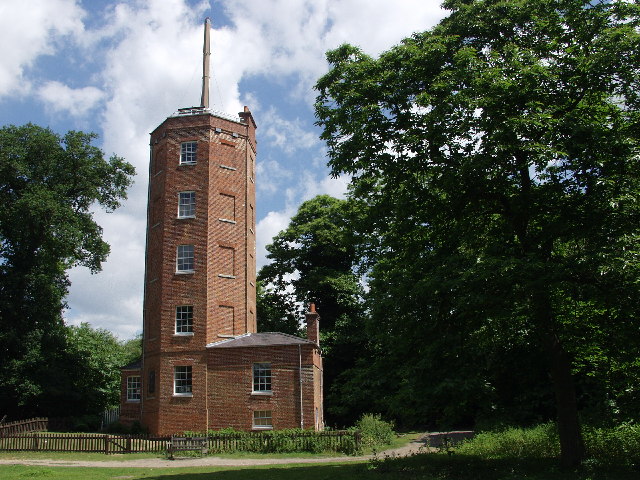
Later in 1815 the Admiralty secured funding for a new system using arms rather than shutters and used the system – weather permitSONY DSCting, until 1847. The brick tower on the right is the semaphore tower at Chatley Heath on the line to Portsmouth. It is now in the care of the National Trust.

8 Comments

Filed under Buildings, Napoleon, Science & technology