
In my last blog I posted about a charming children’s book I had discovered and mentioned the Fish Machine – so here it is –
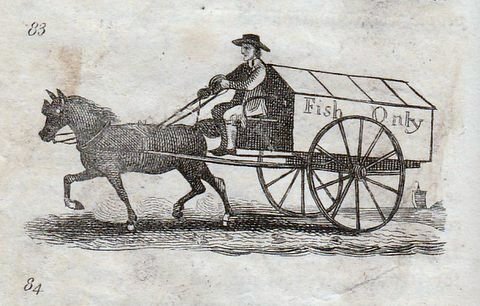
It seems to be a ‘machine’ in the same way that any vehicle with a specific purpose was called a machine, even if it had no engine other than the horse – bathing machines, for example. As well as describing the purpose of the vehicle Jane and Ann Taylor, authors of Rural Scenes; or, A Peep Into the Country for Good Children (this version 1813), point up a moral about co-operation in business and make a passing reference to the importance of fresh fish for the benefit of future housewives. I have seen lorries on Japanese harboursides for just the same purpose.
“This man is driving to some great town, to sell his fish to the inhabitants. he not only serves them, but also the fishermen and himself. Indeed, they find a mutual help in each other; for it would be very difficult always to find a market on he sea-coast, and equally inconvenient to the townspeople to go there for them. If he carries fish only, he pays no turnpikes.”
The authors also use every opportunity throughout the book to encourage children to be kind to animals while, at the same time, being very up-front about the use of animals as food, including being quite positive that the human position of power over other creatures was divinely ordained, as in the text that accompanies the two fishermen hauling in their net of river fish.
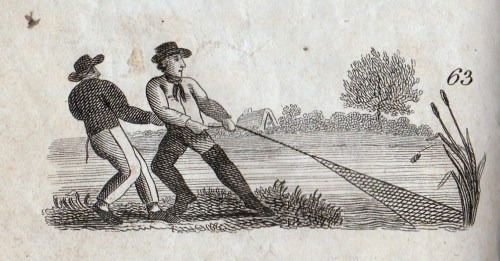
“These two men are labouring very hard to get an honest livelihood, and are, therefore, very commendable. Dominion was given to man over the birds of the air, the fishes of the sea, and the beasts of the field, which, with vegetables and fruit, were appointed for his food. As it is necessary to kill animals for our support, it is our duty to do it in the most humane methods we can invent, so as to give them as little pain as possible; therefore it is better to take fish with a net, than with a hook and line. I have read of a boy who was endeavouring to reach a plate off a shelf, to put some fish in which he had caught when, just in the same manner as he caught the fish, a sharp meat-hook that hung close by, did catch him in the chin.”
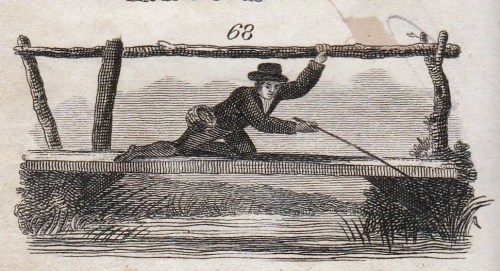
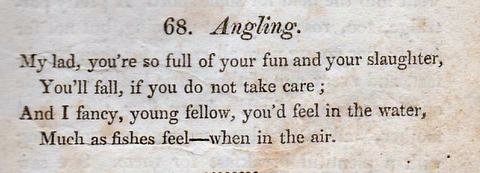
And here is the fisherman with road and line, rather uncomfortably perched on a bridge with the moral of the tale in verse below.
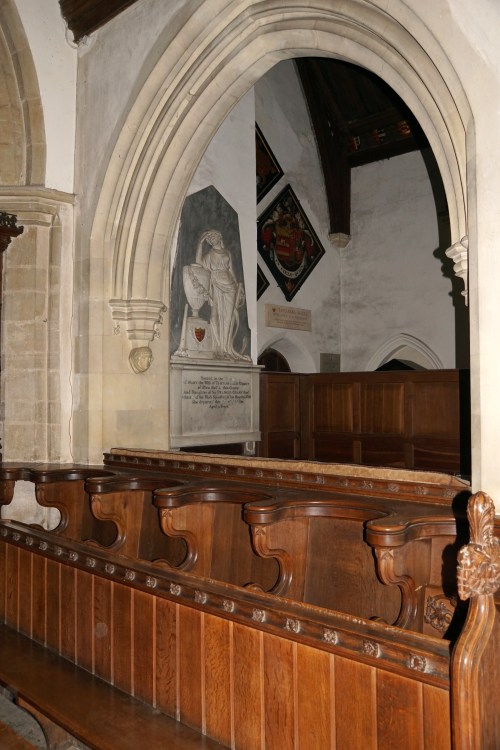
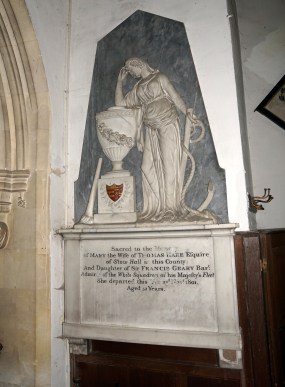 The 19th century family would have worshipped under the gaze of the figure of Hope on the memorial to Mary Hare who died in November 1801. Hope is leaning on an anchor (her symbol) which also serves as a reminder that Mrs Hare’s father, Sir Francis Geary, Bart., was an Admiral of the White. The upside-down torch leaning against the urn is a symbol of a life snuffed out. Usually the length of the torch is an indication of the length of the life of the deceased.
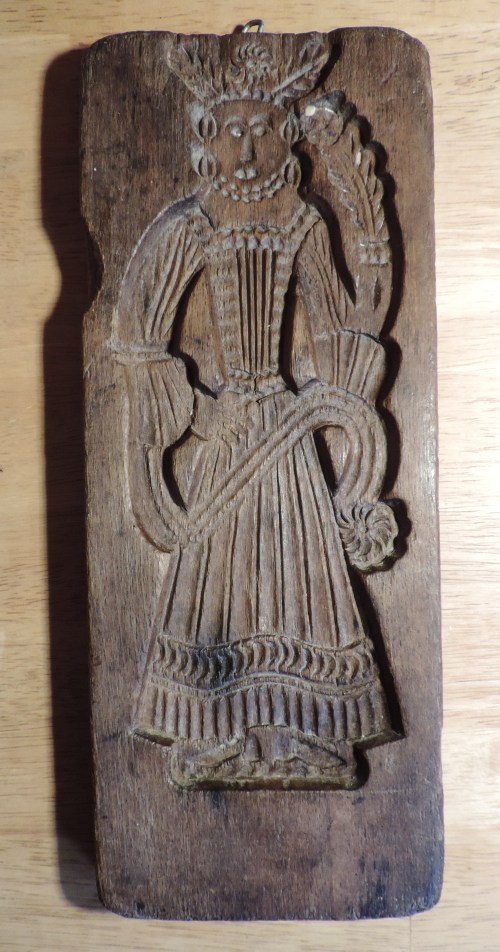
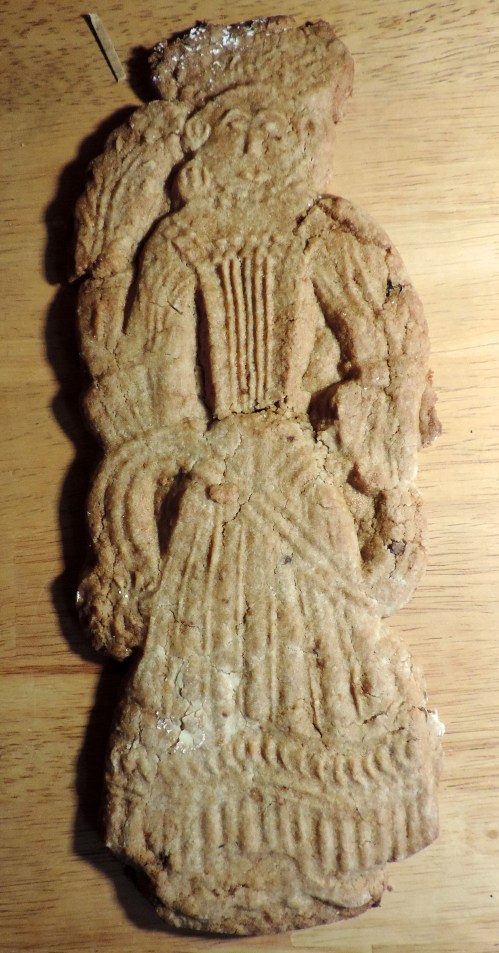
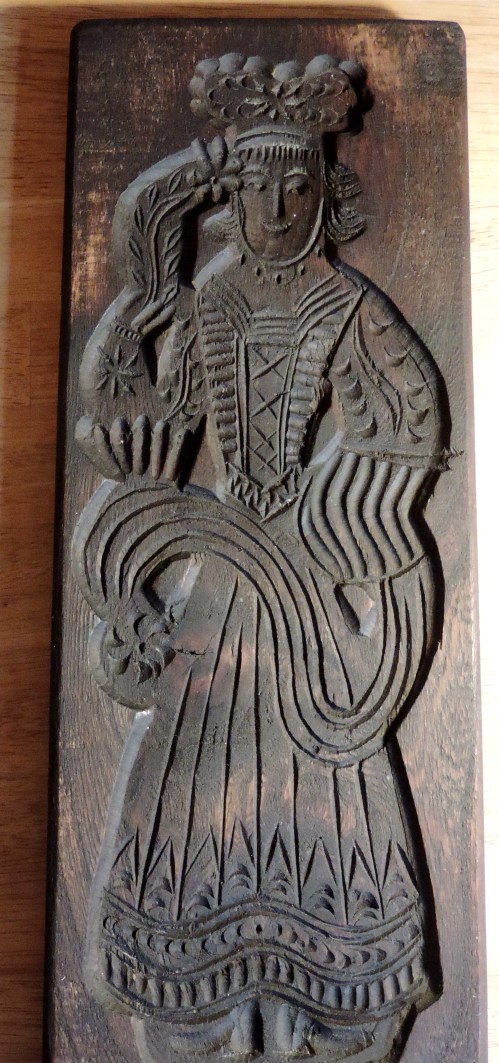 There’s a very similar recipe in The Complete Confectioner (1815) by Fredrick Nutt with the note: N.B. These are very good for the stomach in cold weather.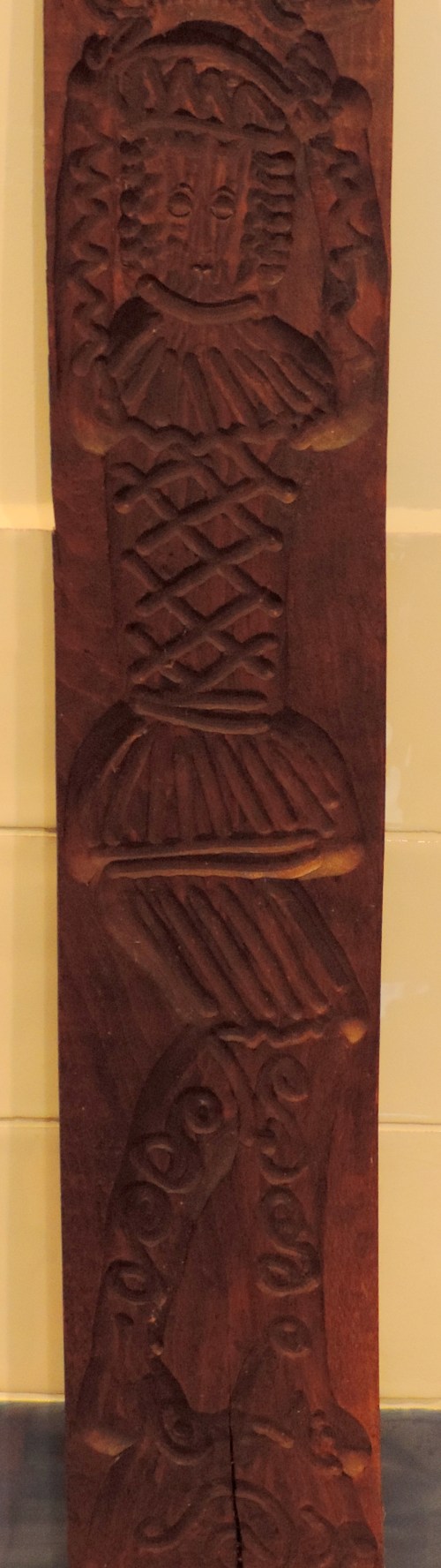

 Jane Austen's London